
Why pothos leaves turn yellow
Yellow pothos leaves are a message. Learn to read the pattern — soft, crispy, old or new leaves — and fix overwatering, light, roots and more.
Top photo: A variegated pothos in a pot. Photo: spurekar, CC BY 2.0, via Flickr.
The short answer: Most of the time, yellow pothos leaves mean too much water. Check the soil 2 inches (5 cm) down. If it’s wet, stop watering and let it dry out.
Your pothos was fine last week. Now there’s a yellow leaf. Then another. Don’t panic — and don’t grab the watering can yet. Yellow leaves are the plant’s way of telling you something, and the pattern of the yellowing tells you what.
First: read the yellow
Before you change anything, look closely. Answer these three questions:
| What you see | Most likely cause |
|---|---|
| Soft, droopy yellow leaves + wet soil | Overwatering / root rot |
| Yellow leaves with crispy brown edges + dry soil | Underwatering |
| Only the oldest leaves near the base | Normal aging (or hunger) |
| Pale, washed-out yellow on leaves facing the window | Too much direct sun |
| Small, yellowish new leaves + long bare vines | Not enough light |
| Yellow with tiny dots or webbing underneath | Pests (spider mites, thrips) |
| Yellow after you just moved or repotted it | Shock — it will settle |
Now find your cause below.
1. Overwatering (the big one)
Pothos roots need air. When the soil stays soggy, roots suffocate and start to rot, and a rotting root can’t deliver water — so the plant yellows and droops even though it’s wet. That’s why so many people make it worse by watering more.
Signs: soft yellow leaves (often several at once), soil still damp days after watering, a sour or swampy smell, black spots on stems near the soil.
Fix:
- Stop watering. Let the top 2–3 inches dry out completely.
- Make sure the pot has a drainage hole and the saucer isn’t holding water.
- If it doesn’t improve in a week, slide the plant out of the pot. Healthy roots are white or tan and firm. Rotten roots are brown, mushy and smell bad.
- Cut off rotten roots with clean scissors, then repot in fresh, airy potting mix (add a handful of perlite or orchid bark).
- Going forward, water only when the top 2 inches are dry. Here’s the finger test →
2. Underwatering
Less common, but it happens — especially in summer, in small pots or near heaters.
Signs: leaves droop and feel limp, then yellow with crispy brown edges; the soil pulls away from the sides of the pot; the pot feels light.
Fix: give it a deep drink. If the soil is so dry that water runs straight through, bottom-water: set the pot in a bowl of water for 20–30 minutes so the soil can soak it up, then let it drain.
3. Too much direct sun
Pothos grows in the shade of jungle trees. Hours of hot afternoon sun through glass can bleach leaves pale yellow or give them scorched brown patches.
Fix: move it a few feet back from a south- or west-facing window (in Australia, north- or west-facing), or put a sheer curtain between the plant and the glass.
4. Not enough light
Pothos survives low light, but it doesn’t thrive there. In a dark corner it grows long, bare vines with small leaves, and older leaves yellow and drop because the plant can’t support them.
Fix: bright, indirect light — near a window but out of harsh direct rays — is the sweet spot. Variegated types like Marble Queen need more light than plain green ones. If your home is dim, see our best plants for low light.
5. Normal aging
Every plant drops old leaves. If it’s one leaf at a time, near the base of a vine, every few weeks, and new growth looks healthy — that’s normal. Snip it off and move on.
6. Hunger (nutrient deficiency)
A pothos that’s been in the same soil for years can run low on nitrogen, which shows up as older leaves turning evenly pale yellow.
Fix: feed with a balanced liquid houseplant fertilizer at half strength once a month in spring and summer. Skip feeding in winter. If it’s been 2+ years, repot into fresh mix, one pot size up.
7. Pests
Spider mites, thrips and mealybugs suck sap and cause yellow speckling. Look under the leaves and where leaves meet stems.
Fix: wipe leaves with a damp cloth, rinse the plant in the shower, then spray with insecticidal soap or neem oil every 5–7 days for 3 weeks. Isolate the plant from your others while you treat it.
Can yellow leaves turn green again?
No. Once a leaf is mostly yellow, the chlorophyll is gone for good. Cut it off at the stem — the plant will put that energy into new leaves. The good news: pothos grows fast, and a healthy plant will replace lost leaves within weeks in spring and summer.
Pothos by variety: some are supposed to be yellow
Before you panic, check which pothos you have. Some varieties are naturally yellow or light:
| Variety | Normal color | When yellow is a problem |
|---|---|---|
| Golden pothos | Green with gold streaks | Whole leaf turns soft, pale yellow |
| Neon pothos | Bright chartreuse all over | Leaves turn pale, dull or brown-edged |
| Marble Queen | Green and white marbling | Leaves yellow and revert to plain green in low light |
| Jade pothos | Solid dark green | Any yellowing — this one handles low light best |
| N’Joy / Pearls and Jade | Small leaves, white patches | Brown spots on white sections (often too much sun) |
Variegated types (Marble Queen, N’Joy) need more light than plain green ones because the white parts don’t make food.
Root rot rescue, step by step
If the soil smells sour and several leaves turned yellow at once, don’t wait:
- Slide the plant out of its pot over newspaper.
- Rinse the roots gently under room-temperature water so you can see them.
- Cut every brown, mushy root with clean scissors (wipe them with rubbing alcohol between cuts). Healthy roots are white or tan and firm.
- Count what’s left. More than half the roots healthy? Repot. Less than half? Take cuttings as a backup now. How to root pothos cuttings →
- Repot into fresh, dry, airy mix — potting mix plus a handful of perlite or orchid bark — in a pot only as big as the remaining roots, with a drainage hole.
- Water lightly once and don’t water again until the top 2 inches are dry.
- Expect 2–3 weeks before new growth. A few more yellow leaves in the first week are normal.
Pests that cause yellow speckles
If the yellowing looks like a sprinkle of tiny dots, or comes with silvery streaks, flip the leaves over and compare with this guide:
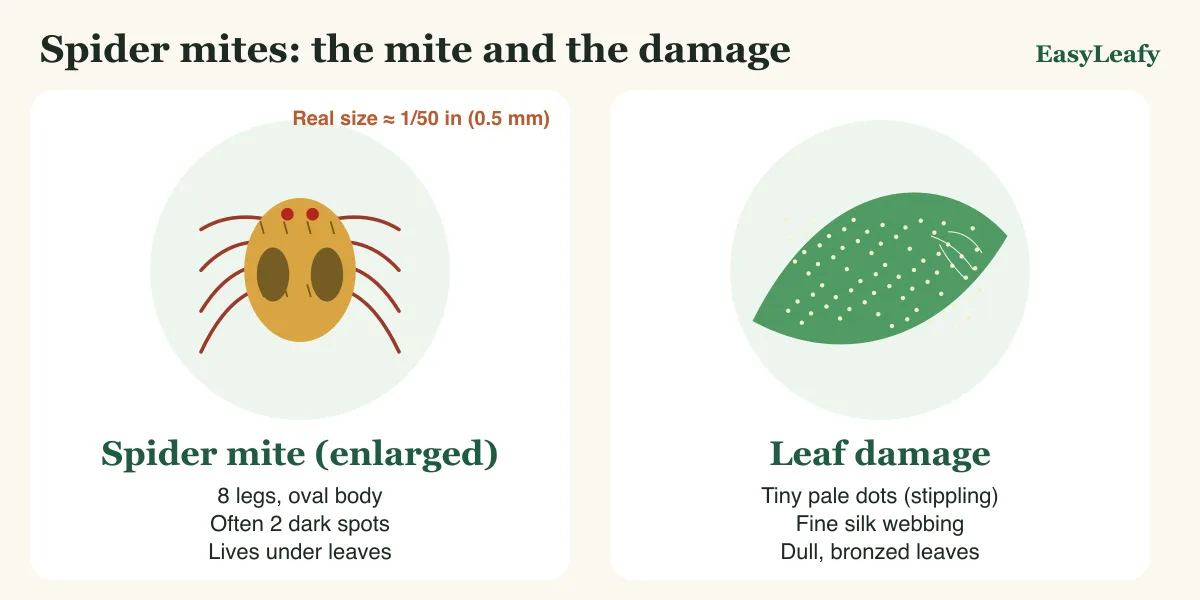
- Spider mites: stippling + fine webbing. 3-week plan →
- Thrips: silvery streaks and black specks. Same routine: rinse, then insecticidal soap weekly for 3 weeks.
- Mealybugs: white cotton in the leaf joints. Dab each one with a cotton swab dipped in rubbing alcohol. Pest ID chart →
What’s normal after you move or repot
| Days after the change | What you might see | Normal? |
|---|---|---|
| 1–3 | Slight droop | Yes |
| 3–14 | 1–3 older leaves turning yellow | Yes — adjustment |
| 14+ | Yellowing continues, new leaves small or pale | No — check light and water |
| Any time | Black, mushy stems at the soil | No — root rot, see above |
Pothos care in numbers
| Light | Bright, indirect; tolerates low light |
| Water | When the top 2 inches (5 cm) are dry |
| Temperature | 65–85°F; damage below about 50°F |
| Fertilizer | Balanced liquid, half strength, monthly in spring and summer only |
| Repot | Every 1–2 years, one pot size up |
| Pets | Toxic to cats and dogs (ASPCA) |
Can cold turn pothos leaves yellow?
Yes. Pothos is tropical and starts to suffer below about 50°F. Leaves touching a cold window in winter, plants near an outside door, or a pothos left on a porch on a chilly night can yellow or develop dark, wet-looking patches a few days later. Move it a foot away from the glass and away from drafts; damaged leaves won’t recover, but new growth will be fine. Hot air is a problem too: a pothos right above a heater vent dries out and yellows at the edges.
Turn the damage into new plants
If root rot took out part of your pothos, save the healthy vines. Cut a few pieces with 2–3 leaves and a node each and root them in water — in a month you’ll have a backup plant. Step-by-step pothos propagation →
Also good to know: pothos is toxic to cats and dogs if chewed. If you have pets, keep it on a high shelf — or see our list of pet-safe houseplants.
Other plants in this guide
Quick answers
Should I fertilize a pothos with yellow leaves?
Not until you've fixed the cause. Feeding a plant with damaged roots can burn them. Fertilize only in spring and summer, once new healthy leaves appear.
Should I cut off yellow pothos leaves?
Yes. A yellow leaf will not turn green again. Snip it off at the stem with clean scissors so the plant can put its energy into new growth.
Can an overwatered pothos recover?
Usually, if you catch it early. Let the soil dry out, and if it smells sour or roots are brown and mushy, trim the rotten roots and repot into fresh, dry soil.
Is it normal for one pothos leaf to turn yellow?
One old leaf near the base turning yellow every few weeks is normal aging. Several leaves at once, or new leaves turning yellow, means something needs fixing.
Sources
- NC State Extension Plant Toolbox — Epipremnum aureum
- ASPCA — Golden Pothos
- UC IPM (University of California) — Spider Mites
- Royal Horticultural Society — Houseplants
Checked November 9, 2026. Spotted an error? Tell us — see our editorial policy.

Pin it to your plant board so you can find it when you need it.
Save to PinterestKeep reading
More Plant Problems →
Overwatered or underwatered?
Both make leaves droop and turn yellow. Check the soil, the leaf texture and the roots to tell overwatering from underwatering — and fix each one.
Plant Problems
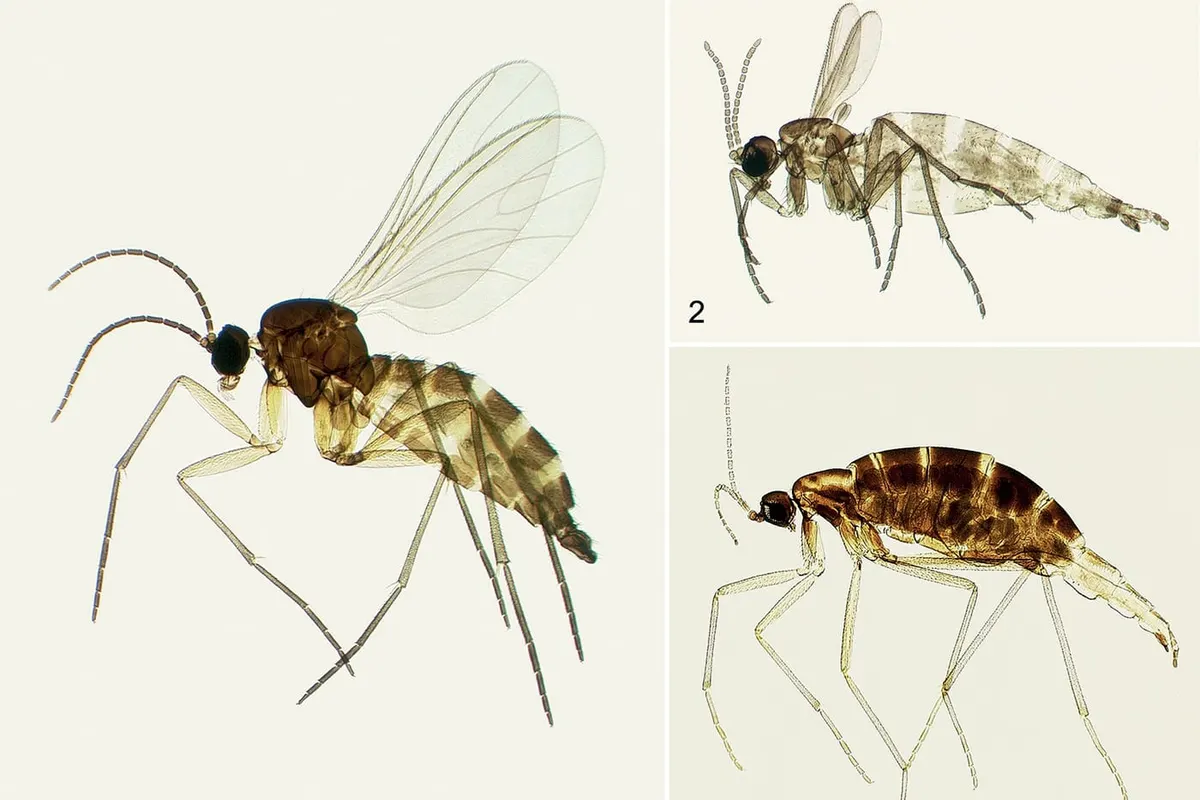
Getting rid of fungus gnats
Tiny black flies around your plants? They're fungus gnats. Here's the 5-step plan that breaks their life cycle — and the one habit that keeps them away.
Plant Problems
Brown tips on leaves
Crispy brown tips are usually dry soil, dry air, or salts and fluoride in tap water. How to tell which one by the pattern, and which plants are most sensitive.
Plant Problems
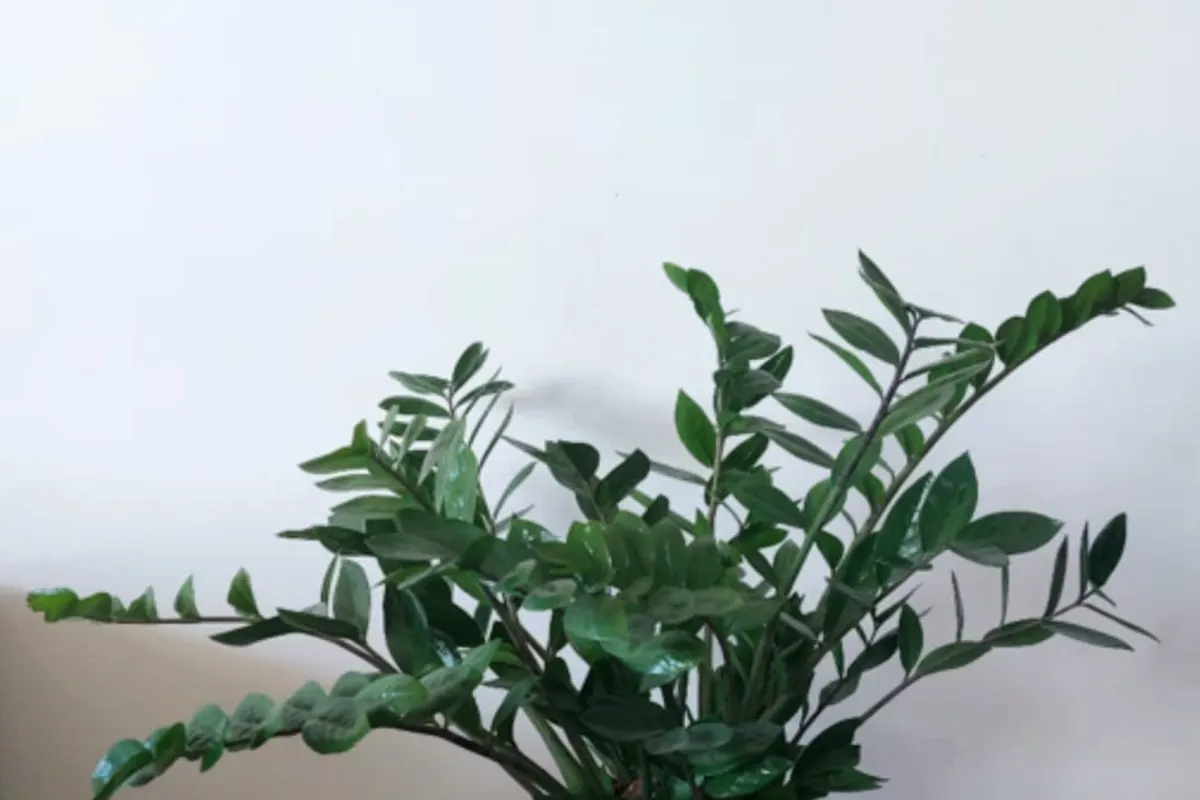
10 plants for dark apartments
No sunny windows? These 10 plants grow in low light — plus how to tell how much light you really have and the one mistake people make in dark rooms.
Indoor Plants
A watering chart for 24 plants
A printable watering chart for 24 popular houseplants: when the soil should be dry, how many days in summer vs. winter, and which plants are toxic to pets.
Plant Care Basics
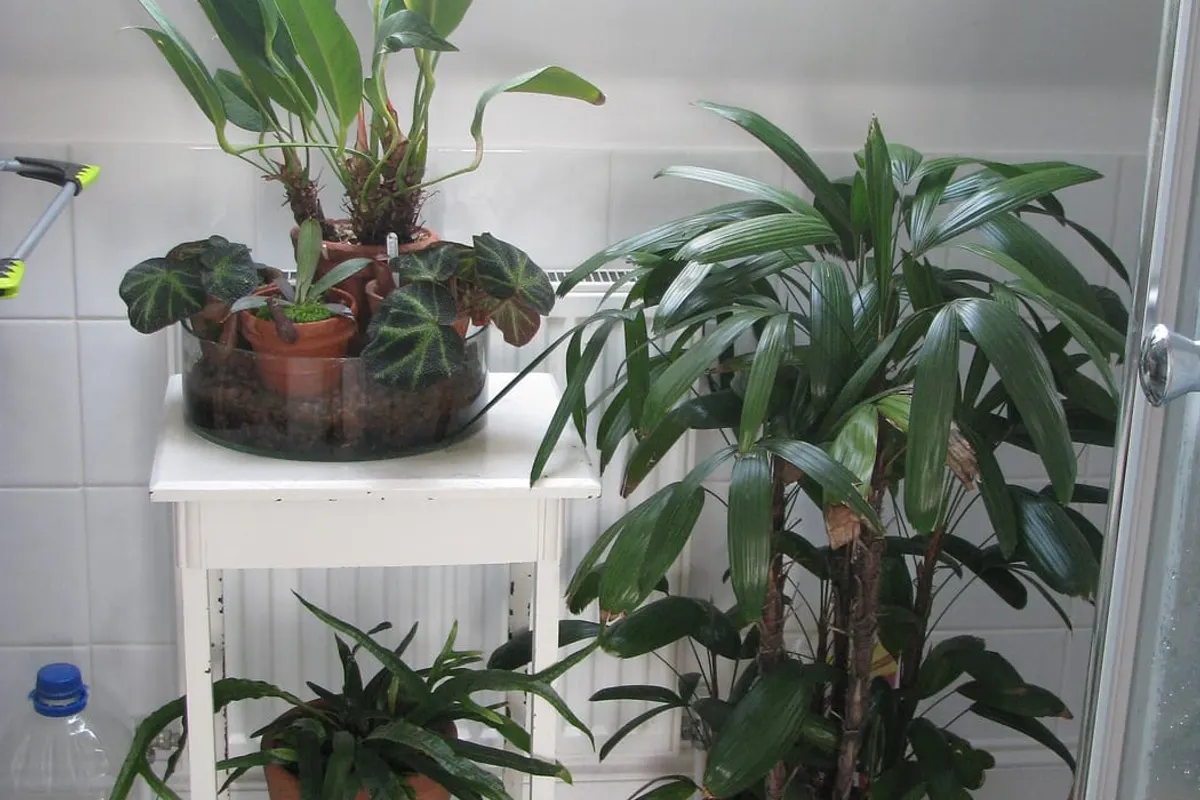
Plants for a bathroom
Pick bathroom plants by how much light you have: ferns and calatheas for bright bathrooms, cast iron plants for dim ones — and what to do in a bathroom with no window.
Indoor Plants