
10 plants for dark apartments
No sunny windows? These 10 plants grow in low light — plus how to tell how much light you really have and the one mistake people make in dark rooms.
Top photo: A ZZ plant (Zamioculcas zamiifolia) in a pot. Photo: Mx Lucy, CC BY-SA 4.0, via Wikimedia Commons.
The short answer: The ZZ plant, cast iron plant and snake plant are the most reliable in low light. For something trailing, choose pothos. If you have pets, go with a cast iron plant or parlor palm.
Basement apartment. Windows facing a brick wall. A living room where the sun never quite reaches. If that’s you, you’ve probably watched a few “easy” plants slowly fade.
Here’s the truth first: no plant loves darkness. But some plants evolved on the floor of tropical forests, under layers of trees, and they can grow in light levels that would starve most houseplants.
First: how much light do you really have?
“Low light” for a plant is still some light. Try the shadow test at midday on a sunny day:
- Hold your hand about a foot above where the plant will sit.
- Sharp, crisp shadow = bright light.
- Soft, fuzzy shadow = medium light.
- Barely any shadow = low light.
- No shadow at all = too dark for any plant without a grow light.
A rule of thumb: light drops off fast. A plant 6 feet (2 m) from a window gets a fraction of the light it would get on the windowsill. If you can comfortably read a book there during the day without lamps, a low-light plant can live there.
Hemisphere tip: In the US, north-facing windows give the least direct sun. In Australia, it’s the opposite — south-facing windows are the dim ones.
The 10 best plants for low light
1. ZZ plant
The champion. Waxy leaves, water-storing roots and a slow, steady growth rate make it ideal for dark rooms and offices. Water every 2–4 weeks. Toxic to pets. Profile →
2. Cast iron plant
Pet-safe and nearly indestructible. It will sit in a dim hallway for years looking exactly the same. Profile →
3. Snake plant
Grows faster with more light but tolerates very little. Upright shape fits narrow spaces. Toxic to pets. Care guide →
4. Pothos
The best trailing plant for low light, especially plain green varieties like Jade pothos. Variegated types lose their pattern in the dark. Toxic to pets. Profile →
5. Heartleaf philodendron
Similar to pothos, with soft heart-shaped leaves. Perfect for the top of a bookshelf. Toxic to pets.
6. Chinese evergreen
Brings color to a dark room — choose darker green varieties for the lowest light; pink and red types need a bit more. Toxic to pets. Profile →
7. Parlor palm
A soft, pet-safe palm that has graced dim Victorian parlors for 150 years. Profile →
8. Peace lily
One of the few plants that flowers in low-ish light (though it blooms more with more light). Droops when thirsty, so you’ll never wonder. Toxic to pets. Profile →
9. Dracaena (corn plant)
A taller floor plant for a dim corner. Slow-growing and low-maintenance. Toxic to pets. Profile →
10. Bird’s nest fern
The easiest fern for low light, and pet-safe. Loves a bathroom with a small window. Profile →
The #1 mistake in dark rooms: watering like it’s bright
A plant in low light photosynthesizes slowly, which means it drinks slowly. The soil stays wet much longer than you expect, and that’s when roots rot.
- Water only when the soil is dry 2 inches down (all the way down for ZZ and snake plants).
- Use pots with drainage holes.
- In winter, water even less. Our complete watering guide →
Help your plants get more light
- Clean your windows — dirty glass blocks a surprising amount of light.
- Dust the leaves once a month with a damp cloth.
- Use mirrors and light-colored walls to bounce light around.
- Rotate pots a quarter turn every couple of weeks so they don’t lean.
- Add a grow bulb. A full-spectrum LED bulb in a regular lamp, on a timer for 10–12 hours a day, turns a dark corner into a perfectly good plant spot — and uses little electricity.
Signs your plant needs more light
- New leaves are smaller than old ones.
- Long, bare stems between leaves (“leggy” growth).
- Variegated leaves turn plain green.
- The plant leans hard toward the window.
- No new growth at all in spring and summer.
If you see these, move the plant closer to the window or add a grow light. For pets in the home, our pet-safe plant list is sorted by light level.
Plants in this guide
Quick answers
Can a plant live with no windows at all?
Not for long on its own. Every plant needs light to make food. In a windowless room, use a full-spectrum LED grow bulb for 10–12 hours a day — a ZZ plant or pothos will do well under it.
What is the best plant for a north-facing window?
In the US, a north-facing window gives gentle, low light — perfect for ZZ plants, cast iron plants, pothos and parlor palms. In Australia, the equivalent dim window faces south.
Do low-light plants need less water?
Yes. A plant in low light grows slowly and uses water slowly, so the soil stays wet longer. Water less often than you would for the same plant in a bright spot.
Sources
- NC State Extension Plant Toolbox — Zamioculcas zamiifolia
- ASPCA — Toxic and Non-Toxic Plant List
- Royal Horticultural Society — Houseplants
Checked November 9, 2026. Spotted an error? Tell us — see our editorial policy.

Pin it to your plant board so you can find it when you need it.
Save to PinterestKeep reading
More Indoor Plants →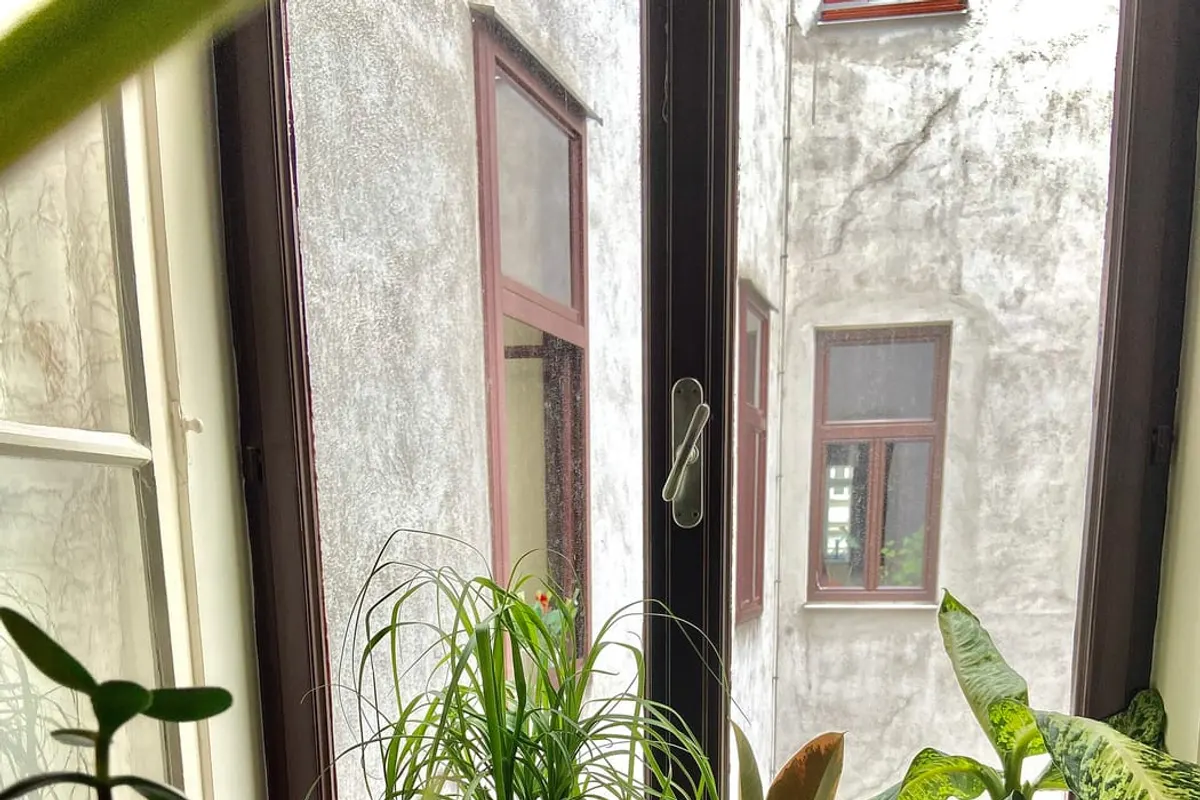
12 houseplants that are hard to kill
Serial plant killer? These 12 tough houseplants survive low light, missed waterings and dry air — plus the one mistake that still kills them.
Indoor Plants
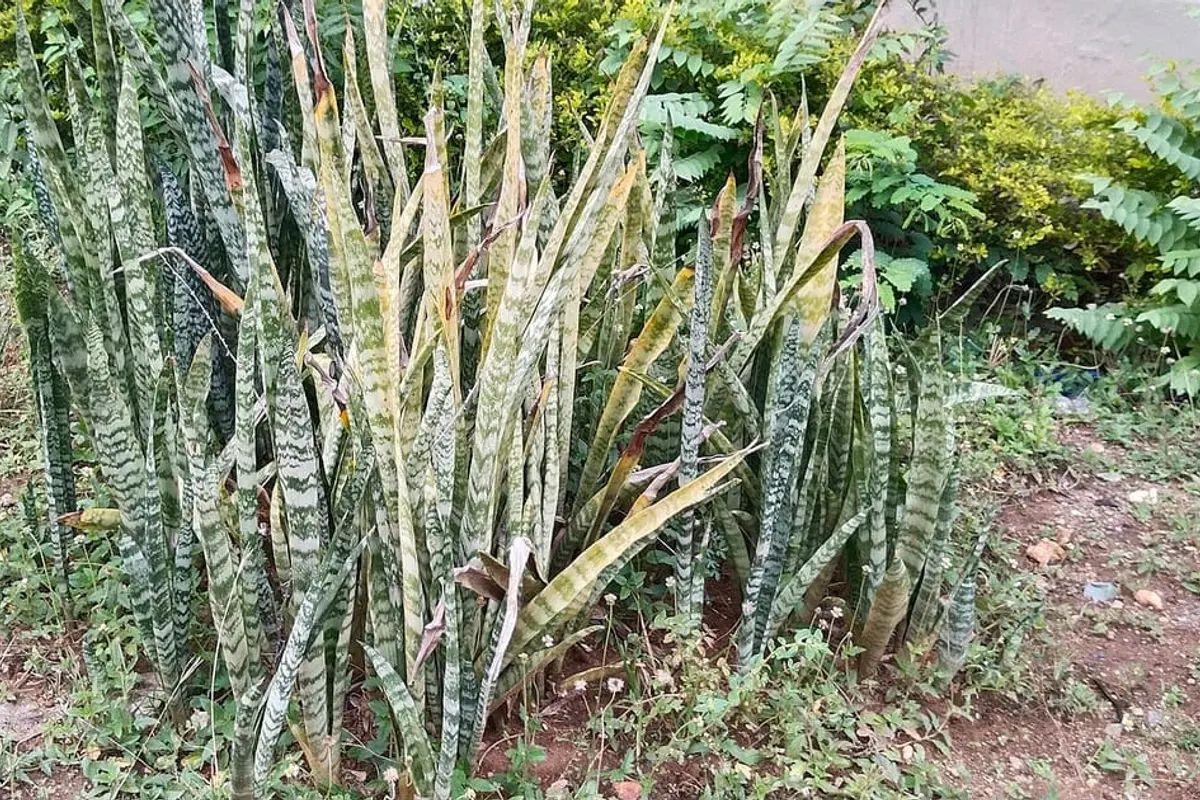
Snake plant care
Everything you need to keep a snake plant thriving: how much light and water, the best soil and pot, how to fix mushy or wrinkled leaves, and how to propagate it.
Indoor Plants
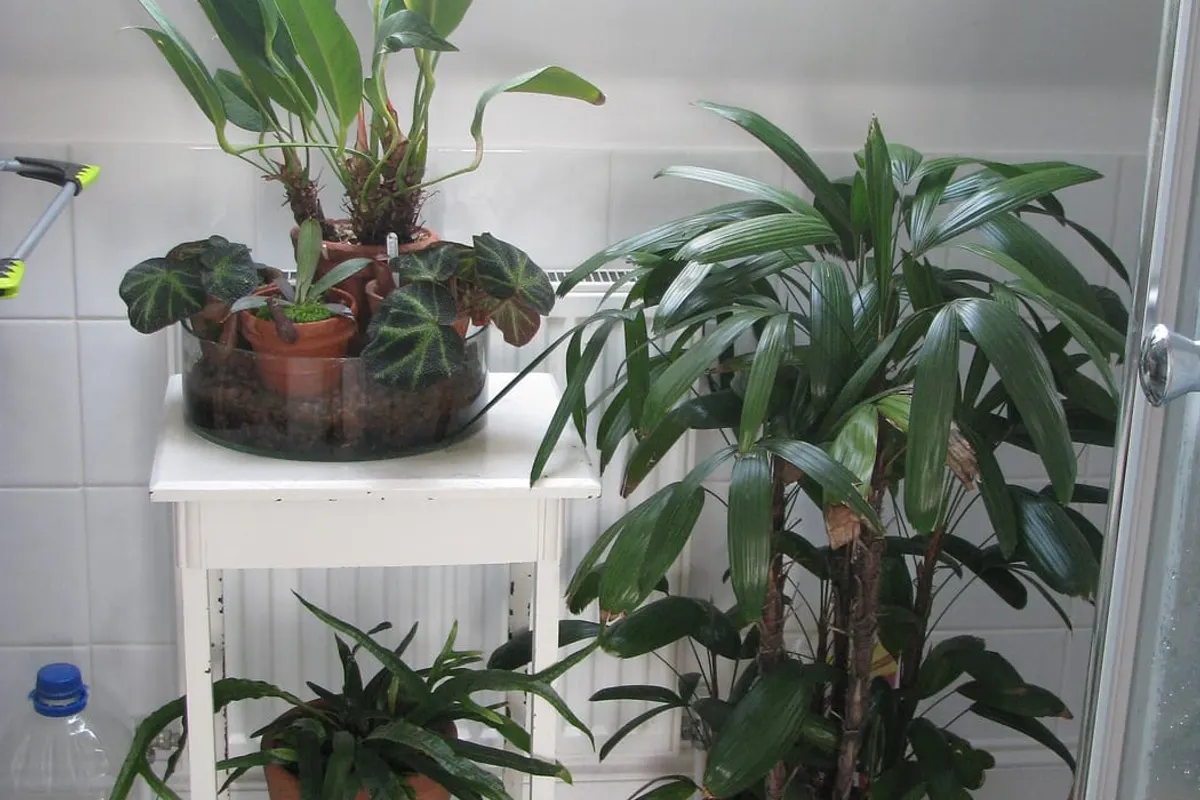
Plants for a bathroom
Pick bathroom plants by how much light you have: ferns and calatheas for bright bathrooms, cast iron plants for dim ones — and what to do in a bathroom with no window.
Indoor Plants
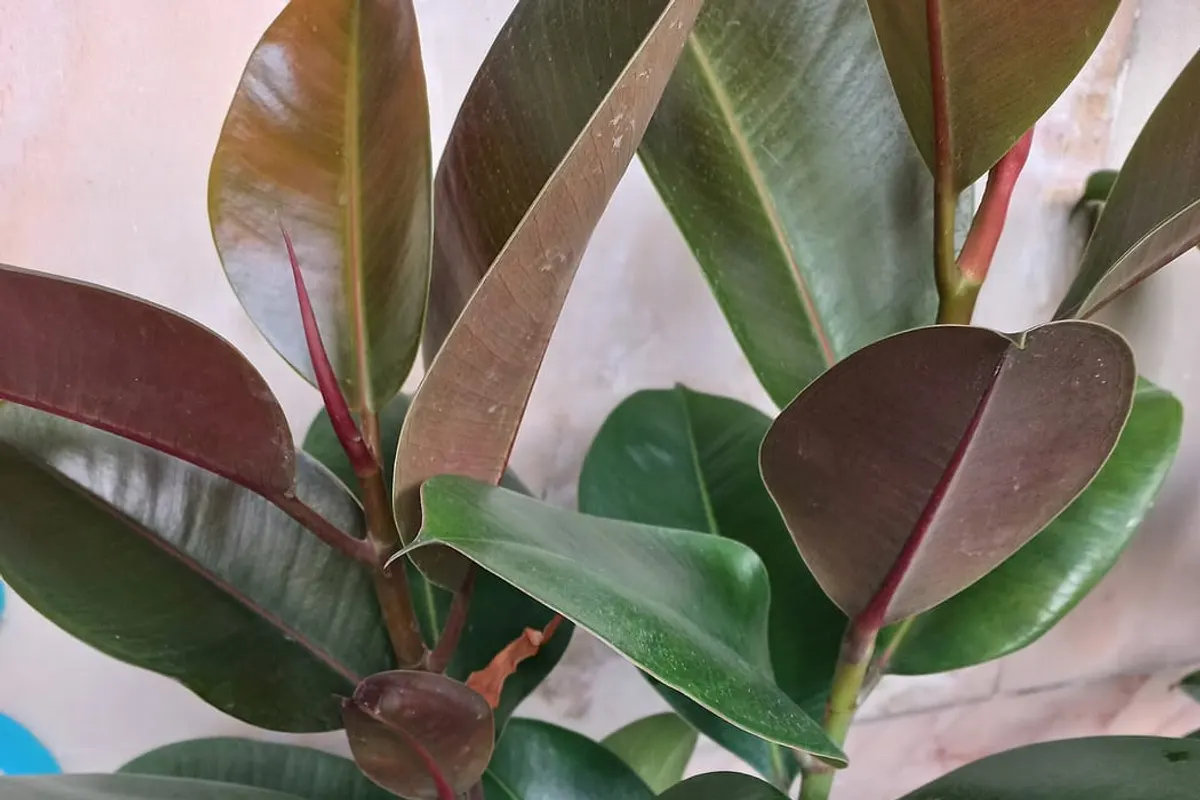
How often to fertilize
Feed most houseplants once a month in spring and summer at half strength, and not at all in winter. A dilution chart, what N-P-K means and signs of too much.
Plant Care Basics
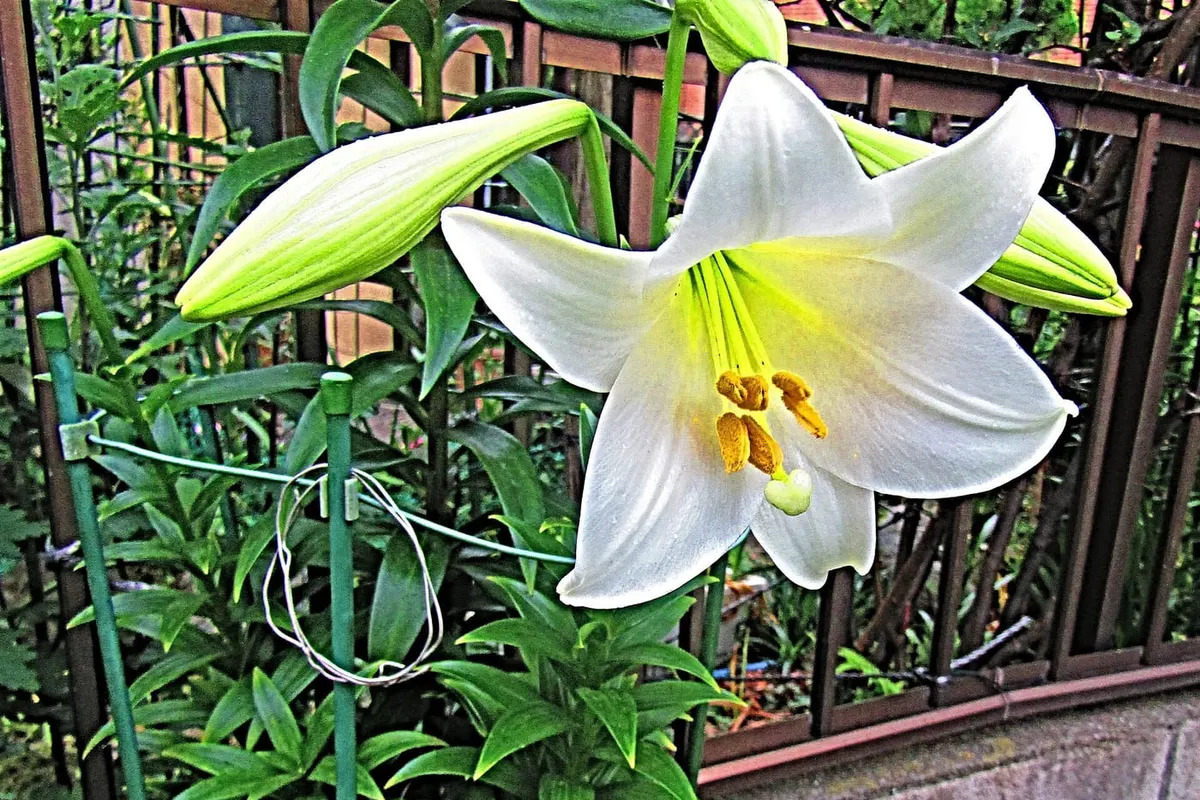
Plants that are toxic to cats
Lilies can kill a cat; a poinsettia mostly causes drooling. Here's which houseplants and flowers are truly dangerous for cats, and what to grow instead.
Pets & Plants
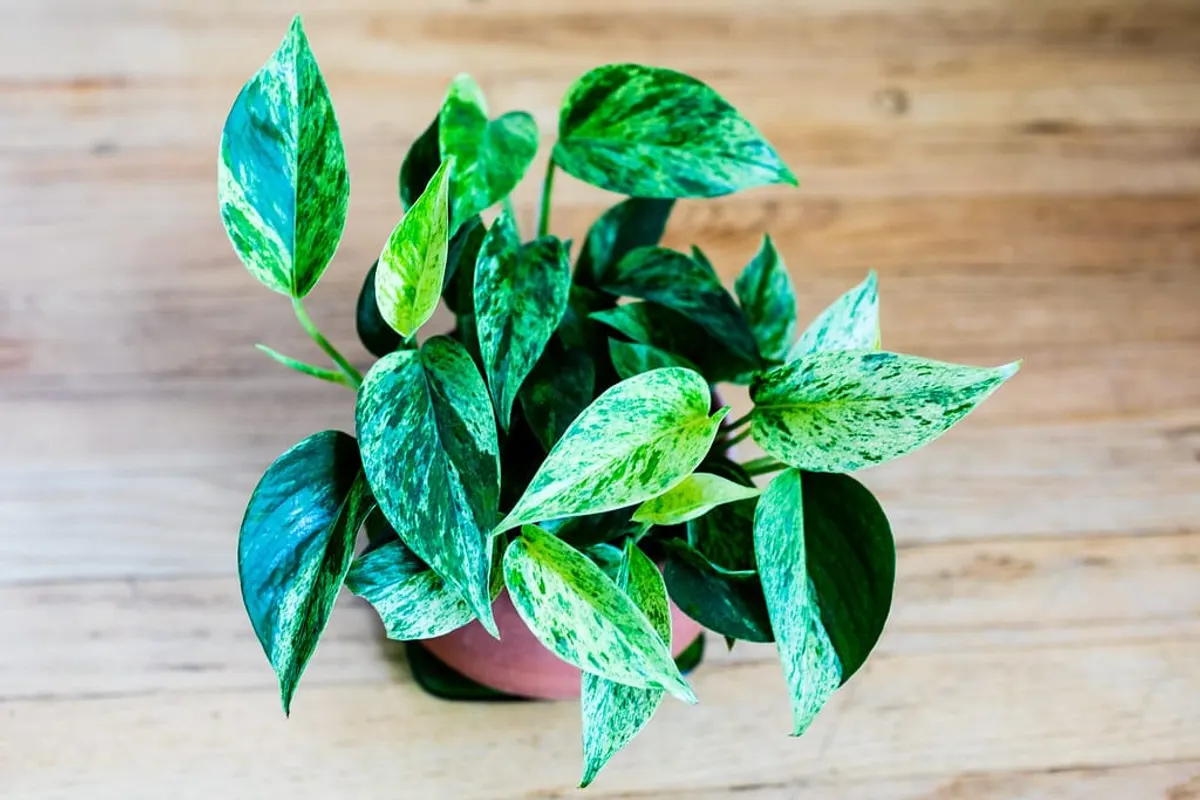
Why pothos leaves turn yellow
Yellow pothos leaves are a message. Learn to read the pattern — soft, crispy, old or new leaves — and fix overwatering, light, roots and more.
Plant Problems