
How often to water houseplants
Watering on a schedule kills more houseplants than anything else. Learn the 10-second finger test, how much water to give and how seasons change it.
Top photo: An old metal watering can on a garden edge. Photo: Shixart1985, CC BY 2.0, via Wikimedia Commons.
The short answer: Water when the top 1–2 inches (2–5 cm) of soil feel dry. Then water thoroughly until it runs out the bottom, and empty the saucer. For succulents and snake plants, wait until the soil is dry all the way down.
“How often should I water my plant?” is the most common plant question — and the honest answer is: it depends, so stop counting days. A plant in a sunny window in July might need water every 4 days. The same plant in a dim room in January might go 3 weeks.
The good news: you don’t need to memorize anything. You need one 10-second test.
The finger test
- Push your index finger into the soil, next to the edge of the pot, up to the second knuckle (about 2 inches / 5 cm).
- Dry and dusty? Water now.
- Cool and slightly damp? Wait a few days and check again.
- Wet or muddy? Definitely don’t water.
That’s it. Check once or twice a week, water only the plants that ask for it.
Other ways to check:
- Lift the pot. Dry soil is much lighter. After a few weeks you’ll know your plants by weight.
- Wooden chopstick. Push it to the bottom and pull it out. Soil sticking to it = still moist.
- Moisture meter. Cheap and handy for big pots where your finger can’t reach the root zone.
How much water to give
Water deeply and less often, not a splash every day.
- Pour slowly over the whole soil surface until water runs out of the drainage hole.
- Wait 15 minutes, then empty the saucer or cover pot. Roots sitting in water rot.
- If water rushes straight through and the soil stays dry, it has become hydrophobic. Set the pot in a bowl of water for 20–30 minutes (bottom watering), then drain.
No drainage hole? That’s the problem, not your watering. Keep the plant in its plastic nursery pot and drop that inside the decorative pot.
Watering guide by plant type
| Plant type | When to water | Examples |
|---|---|---|
| Succulents & cacti | Soil completely dry | Aloe, jade, haworthia |
| Drought-tolerant foliage | Soil mostly dry (top half) | Snake plant, ZZ plant, ponytail palm |
| Most tropical houseplants | Top 1–2 inches dry | Pothos, monstera, philodendron |
| Moisture lovers | Surface just starting to dry | Peace lily, ferns, calathea |
What changes how often a plant needs water
- Light: more light = faster growth = more water.
- Season: plants drink far less in winter. In the US that’s roughly November–February; in Australia it’s May–August. Expect to water half as often.
- Pot material: terracotta breathes and dries fast; plastic and glazed ceramic stay wet longer.
- Pot size: small pots dry out quickly; huge pots stay wet for a long time (one reason not to repot into a pot that’s too big).
- Heating and air conditioning: both dry the air and the soil.
- Soil: chunky, airy mixes dry faster than dense potting soil.
Signs you’re overwatering vs. underwatering
| Overwatering | Underwatering |
|---|---|
| Soft, yellow leaves (often lower ones) | Dry, crispy brown edges |
| Soil wet for days | Soil pulling away from the pot |
| Mushy stems, sour smell | Pot feels very light |
| Fungus gnats flying around | Droopy leaves that perk up after watering |
| Drooping even though soil is wet | Leaves curling inward |
Overwatering is far more common — and harder to fix. When in doubt, wait a day. Most houseplants recover from being a bit dry; root rot is much harder to come back from. If your plant is already showing yellow leaves, here’s how to diagnose them.
If you’ve got tiny black flies around your plants, that’s another sign the soil is staying too wet: here’s how to get rid of fungus gnats.
Top watering vs. bottom watering
Both work. They solve different problems:
| Top watering | Bottom watering | |
|---|---|---|
| How | Pour slowly over the soil until it drains out the hole | Set the pot in 1–2 inches of water for 15–30 minutes, then drain |
| Best for | Most plants, most of the time | Bone-dry soil that repels water, African violets, plants with leaves covering the soil |
| Flushes out salts | Yes | No — salts build up at the top over time |
| Wets the leaves/crown | Can, if you’re careless | Never |
| Risk | Water running down the gaps of a dried-out root ball | Forgetting the pot in the tray for hours |
A good routine: bottom water when the soil has pulled away from the pot, top water the rest of the time, and flush (see below) every few months.
Tap, filtered or rain water?
For most houseplants, regular tap water is fine. A few plants react to the fluoride and dissolved salts in some city water with brown, crispy leaf tips:
| Sensitive to tap water | Usually fine with tap water |
|---|---|
| Spider plant, dracaena, calathea, prayer plant, peace lily, parlor palm | Pothos, philodendron, snake plant, ZZ plant, monstera, succulents |
If those tips bother you:
- Use filtered, distilled or rain water for the sensitive plants only.
- Letting water sit overnight doesn’t remove fluoride or the chloramine many US cities now use. It only lets the water warm to room temperature, which is still a nice touch for tropicals in winter.
- Avoid water from a salt-based water softener. The sodium builds up in the soil.
Flush the soil every 3–4 months
Fertilizer and tap water leave salts behind; you’ll see a white crust on the soil or around the pot rim. To clear it, take the plant to the sink or shower and slowly run water through the pot for a couple of minutes — roughly twice the pot’s volume. Let it drain completely. Do this in spring and summer, not in the middle of winter.
A real routine for a mixed shelf
Here’s how the finger test turns into a routine for a typical shelf of five plants in a bright US living room in summer. Check twice a week — for example, Sunday and Wednesday — and water only the ones that ask:
| Plant (6-in. pot) | Usually needs water | What the check looks like |
|---|---|---|
| Peace lily | Every 3–4 days | Surface just dry, or leaves start to droop |
| Pothos | Every 5–8 days | Top 2 inches dry |
| Monstera | Every 5–8 days | Top 2 inches dry |
| Snake plant | Every 10–15 days | Dry all the way down; pot feels light |
| ZZ plant | Every 10–15 days | Dry all the way down |
That works out to about 2 minutes per check. In winter, the same shelf may need half the water. The full list for 24 plants is in the printable watering chart, and the watering calculator adjusts the numbers for your pot and light.
7 watering mistakes that kill houseplants
- Watering on a fixed day no matter what the soil says.
- Small sips that wet the top inch and never reach the roots.
- Pots without drainage holes, or saucers that stay full.
- Watering a drooping plant without checking the soil — droop can mean root rot.
- Watering at the same pace all year. Growth slows from roughly November to February in most of the US.
- Huge pots for small plants. Extra soil stays wet for weeks. Pot size chart →
- Ice-cold water on tropicals in winter. Use room-temperature water.
New plants vs. established plants
A plant you just brought home is a special case. Greenhouses water often, so nursery soil is usually still damp when you buy it — wait for the soil to dry before the first watering, even if that’s a week. Freshly repotted plants also stay wet longer because of the extra soil. Established plants that have been in the same pot for a year or more often dry out faster than you expect, because roots fill the pot and leave little soil to hold water. If a plant suddenly needs water every two days, it’s probably time for a bigger pot.
Going on vacation?
- Up to 1 week: water normally before you go and move plants away from hot windows.
- 2 weeks: water, then group plants in a bright bathroom (out of direct sun) — the humidity slows drying. Or use self-watering spikes.
- 3+ weeks: ask a neighbor, or rely on the drought-tolerant crowd. A snake plant or ZZ plant won’t even notice you were gone.
Plants in this guide
Quick answers
How much water should I give a 6-inch pot?
Roughly 1.5–2.5 cups, poured slowly until water runs out of the drainage hole. The amount matters less than soaking all the soil and letting the extra drain away.
Is watering with ice cubes a good idea?
It's a shortcut sold with supermarket orchids, but it gives very little water and chills tropical roots. Watering normally with room-temperature water is better.
Should I water houseplants less in winter?
Yes. With shorter days and weaker light, most plants grow slowly from about November to February in the US and need water roughly half as often. Always check the soil first.
Is it better to water plants in the morning or at night?
For houseplants it barely matters. Morning is slightly better because any water on the leaves dries during the day, but watering when you remember is fine.
Should I mist my houseplants?
Misting raises humidity for only a few minutes, so it doesn't help much. A humidifier, a pebble tray or grouping plants together works better for humidity-loving plants.
Is tap water OK for houseplants?
For most plants, yes. Sensitive plants like calatheas, spider plants and dracaenas can get brown tips from fluoride and salts, so use filtered, distilled or rain water for those.
Sources
- Royal Horticultural Society — Houseplants
- UF/IFAS Gardening Solutions — Houseplants
- NC State Extension Plant Toolbox — Spathiphyllum
Checked November 9, 2026. Spotted an error? Tell us — see our editorial policy.

Pin it to your plant board so you can find it when you need it.
Save to PinterestKeep reading
More Plant Care Basics →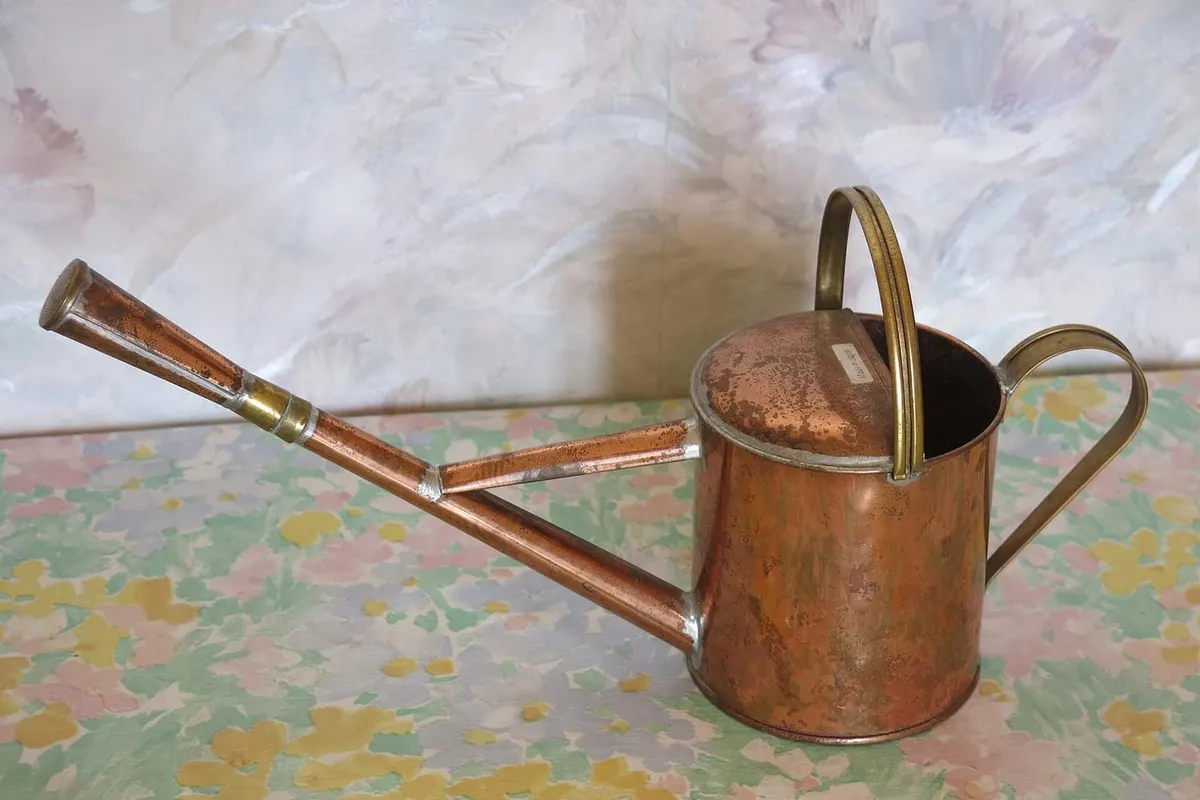
A watering chart for 24 plants
A printable watering chart for 24 popular houseplants: when the soil should be dry, how many days in summer vs. winter, and which plants are toxic to pets.
Plant Care Basics
How often to fertilize
Feed most houseplants once a month in spring and summer at half strength, and not at all in winter. A dilution chart, what N-P-K means and signs of too much.
Plant Care Basics
The hand-shadow light test
The free 30-second trick plant pros use: read your hand's shadow to know if a spot has bright, medium or low light — and which plants will thrive there.
Plant Care Basics
Overwatered or underwatered?
Both make leaves droop and turn yellow. Check the soil, the leaf texture and the roots to tell overwatering from underwatering — and fix each one.
Plant Problems
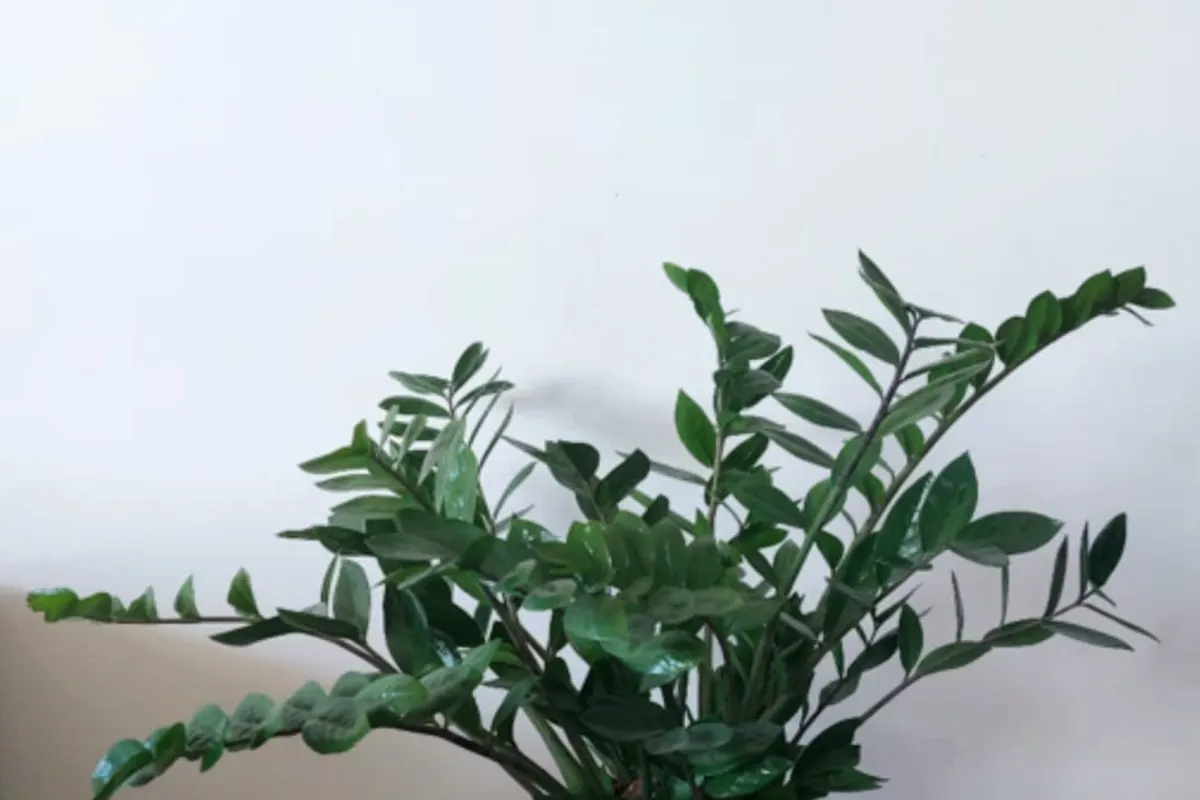
10 plants for dark apartments
No sunny windows? These 10 plants grow in low light — plus how to tell how much light you really have and the one mistake people make in dark rooms.
Indoor Plants
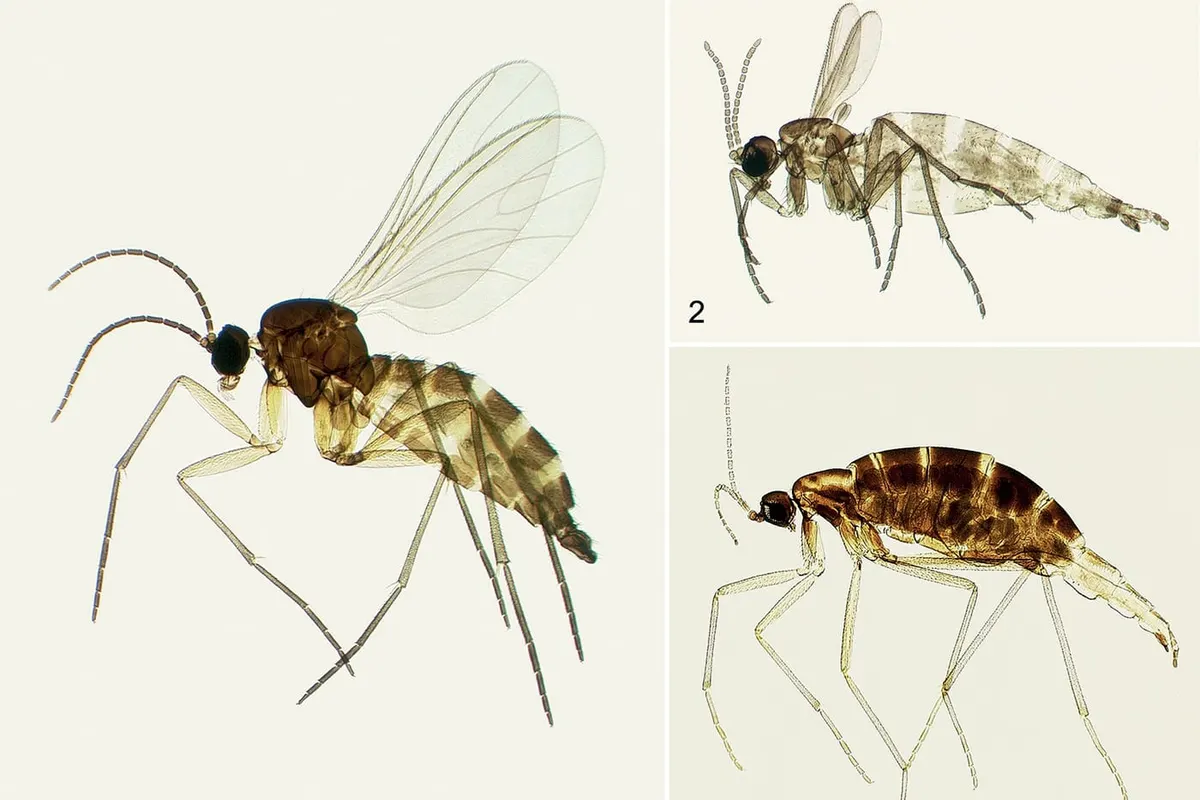
Getting rid of fungus gnats
Tiny black flies around your plants? They're fungus gnats. Here's the 5-step plan that breaks their life cycle — and the one habit that keeps them away.
Plant Problems