
Brown tips on leaves
Crispy brown tips are usually dry soil, dry air, or salts and fluoride in tap water. How to tell which one by the pattern, and which plants are most sensitive.
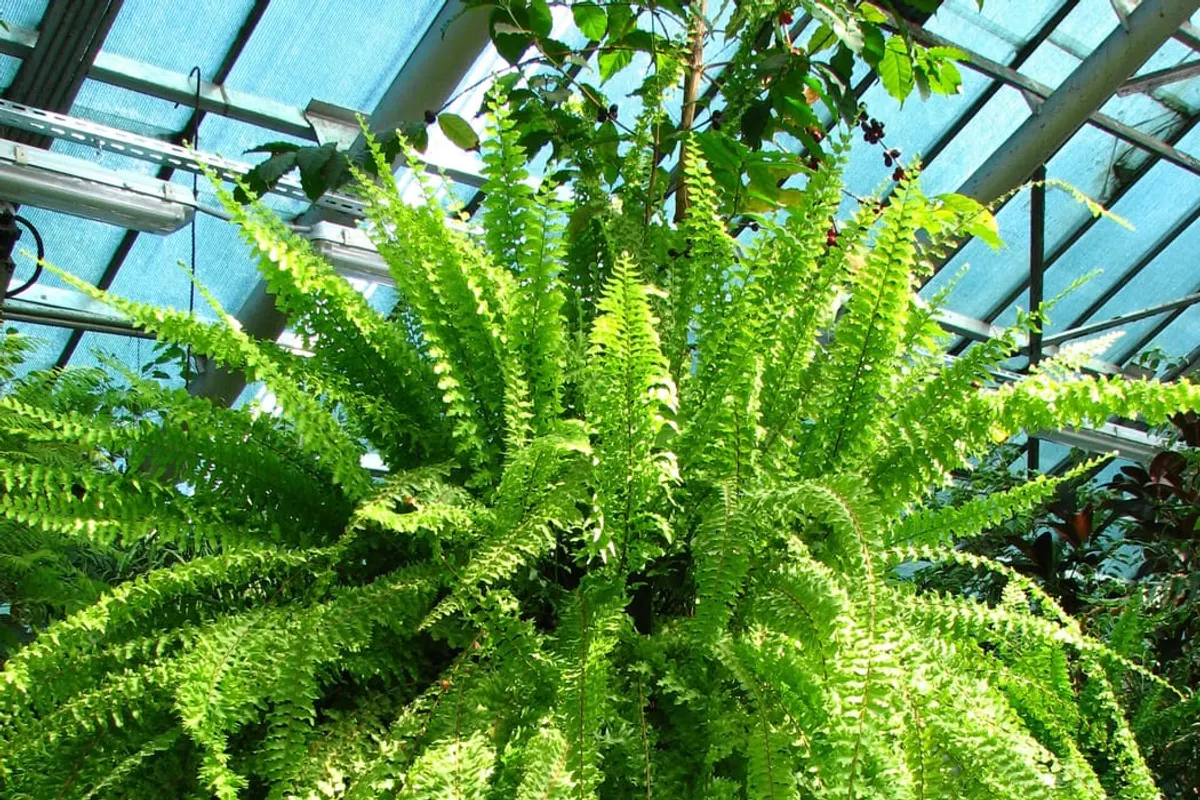
Top photo: Dracaena fragrans growing in a botanical garden. Photo: H. Zell, CC BY-SA 3.0, via Wikimedia Commons.
Brown, crispy tips usually come from one of three things: soil that dried out too much, very dry air, or salts and fluoride building up from tap water and fertilizer. Look at the pattern and at which plant it is — that tells you which.
Brown tips don’t turn green again. The goal is clean new leaves.
Read the pattern
| What you see | Most likely cause |
|---|---|
| Crispy tips on many leaves + soil pulling away from the pot | Underwatering / soil drying out completely |
| Crispy tips and edges, worst in winter, on ferns or calatheas | Dry air from heating |
| Tips brown on spider plants, dracaenas or calatheas even with good watering | Fluoride or salts in tap water |
| White crust on soil or pot rim + brown tips | Fertilizer salt buildup |
| Brown tips with yellow bands and soft lower leaves | Overwatering / root damage |
| Brown, scorched patches on the side facing the window | Sunburn |
1. Soil drying out completely
The tip is the farthest point from the roots, so it’s the first part to suffer when water runs short. Fix: water thoroughly when the top 1–2 inches are dry, and don’t let moisture-lovers go bone dry. Watering chart for 24 plants →
2. Dry air
Heated US homes in winter can be very dry. Thin-leaved tropicals show it first. Fix: group plants, use a room humidifier, or move sensitive plants to a bright bathroom. Misting won’t do much — here’s why.
3. Fluoride and chlorine compounds in tap water
Some plants are known for reacting to fluoride in tap water:
| Sensitive | Usually not bothered |
|---|---|
| Spider plant, dracaena, calathea, parlor palm, peace lily | Pothos, snake plant, ZZ plant, monstera, succulents |
Fix: use filtered, distilled or rain water for the sensitive ones. Letting tap water sit out overnight doesn’t remove fluoride.
4. Fertilizer salts
Too much fertilizer, or fertilizing a dry plant, leaves salts that burn root tips — and leaf tips follow. Fix: flush the pot by running water through it for a couple of minutes, then feed less often and at half strength. Fertilizer dilution chart →
5. Overwatering
It sounds backwards, but rotting roots can’t deliver water either, so tips brown while the soil is wet. If the soil is soggy and lower leaves are yellow and soft, read overwatered vs. underwatered.
6. Sunburn
Dry, pale-brown patches on the leaves facing the glass, especially after moving a plant into a sunnier spot. Move it a few feet back or behind a sheer curtain.
Trimming brown tips neatly
- Use clean, sharp scissors.
- Cut following the leaf’s natural shape — a pointed tip for pointed leaves, a rounded one for rounded leaves.
- Leave a hair-thin line of brown so you don’t open fresh wounds in healthy tissue.
- Remove leaves that are more than half brown at the base instead.
Plants in this guide
Quick answers
Should I cut off brown leaf tips?
You can, for looks. Use clean, sharp scissors and follow the natural shape of the leaf, leaving a thin line of brown so you don't cut into healthy tissue. The tip won't grow back.
Do brown tips mean my plant is dying?
Usually not. Brown tips are a cosmetic sign of stress at the far end of the leaf. If new leaves come in clean after you fix the cause, the plant is fine.
Sources
- Royal Horticultural Society — Houseplants
- NC State Extension Plant Toolbox — Goeppertia (calathea)
- NC State Extension Plant Toolbox — Chlorophytum comosum
Checked November 9, 2026. Spotted an error? Tell us — see our editorial policy.

Pin it to your plant board so you can find it when you need it.
Save to PinterestKeep reading
More Plant Problems →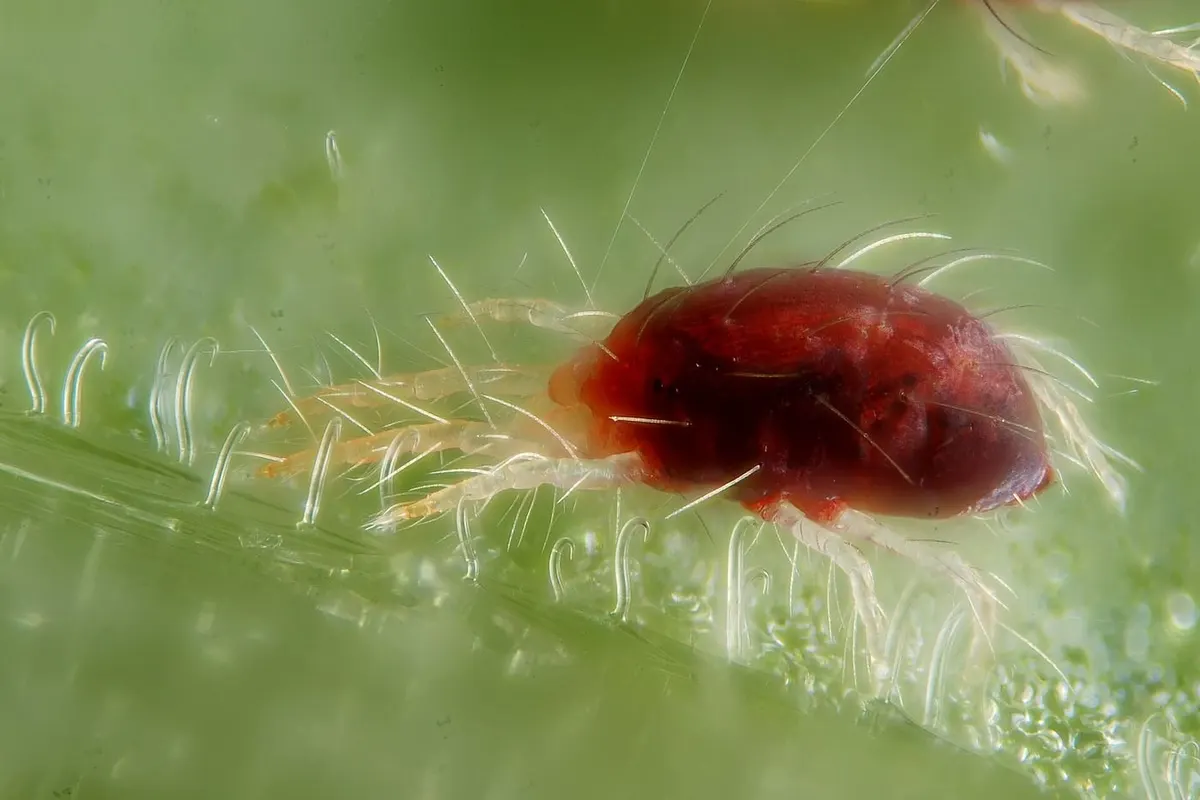
Spider mites on houseplants
Tiny dots and fine webbing under the leaves? That's spider mites. How to confirm it with a white paper test, and a week-by-week plan that actually clears them.
Plant Problems
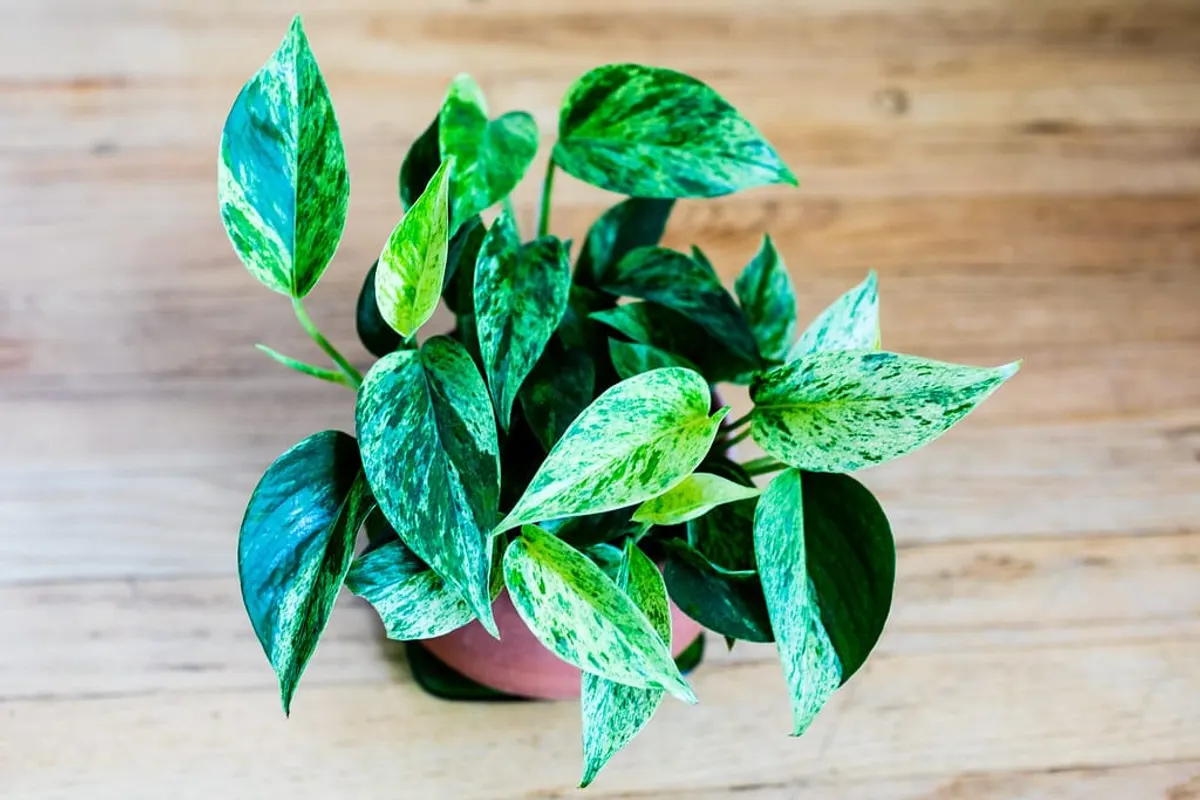
Why pothos leaves turn yellow
Yellow pothos leaves are a message. Learn to read the pattern — soft, crispy, old or new leaves — and fix overwatering, light, roots and more.
Plant Problems
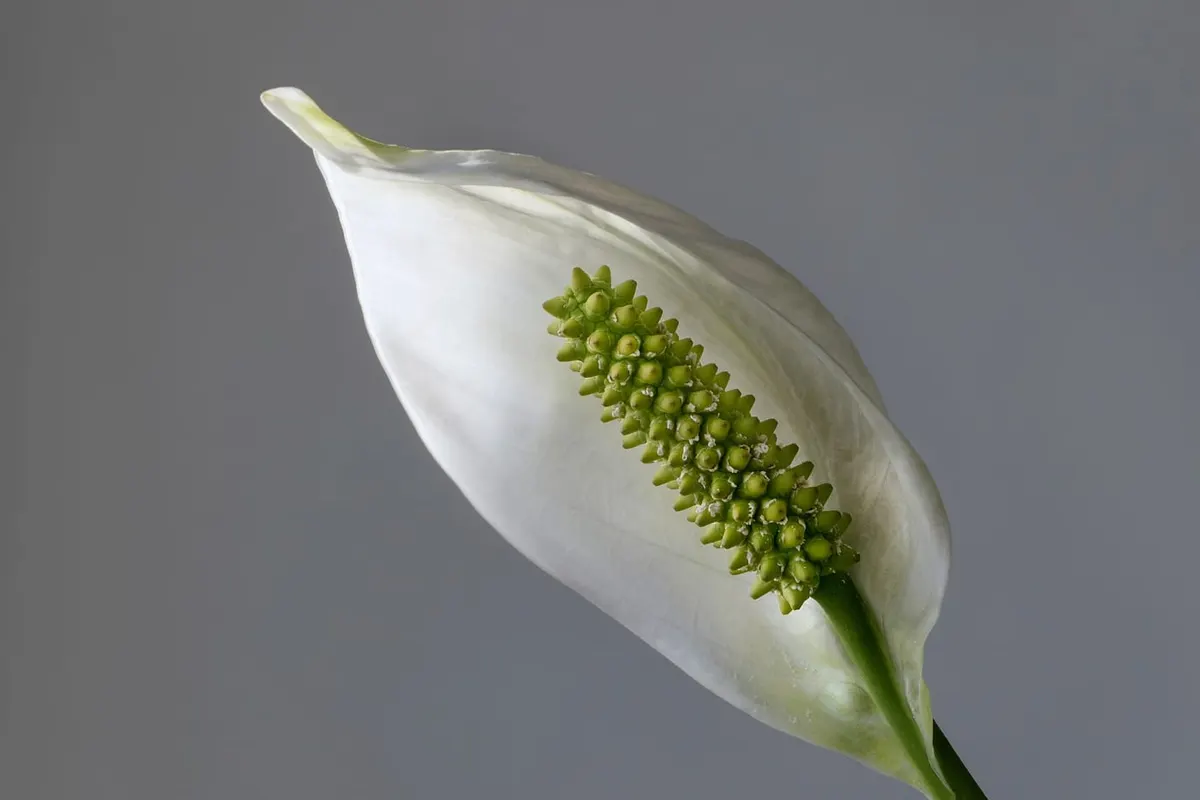
Overwatered or underwatered?
Both make leaves droop and turn yellow. Check the soil, the leaf texture and the roots to tell overwatering from underwatering — and fix each one.
Plant Problems
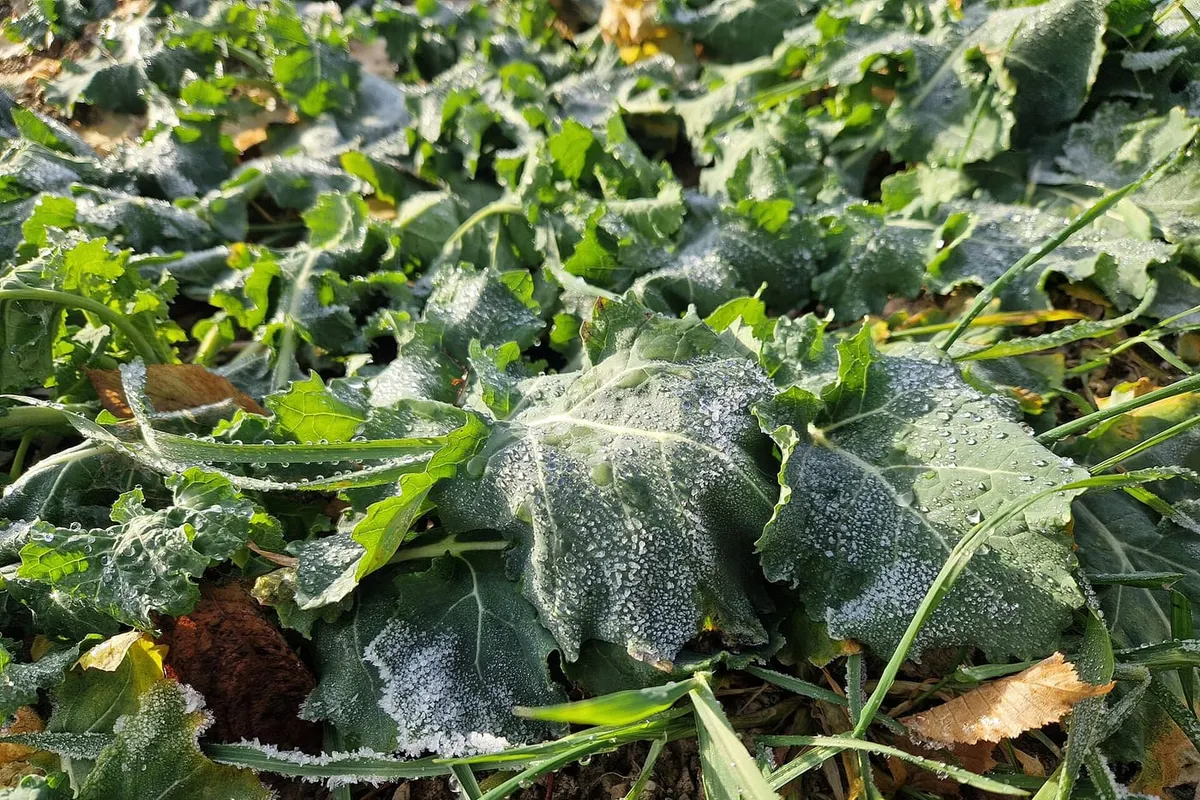
When to bring plants inside
Tropical houseplants should come in when nights drop below 50–55°F, well before frost. A temperature chart by plant type and a 5-step bug-check list.
Garden
Does misting plants work?
Misting feels helpful, but the water evaporates in minutes. What actually raises humidity for ferns and calatheas, ranked from most to least effective.
Plant Care Basics
When to repot, and what size
Roots out the bottom? It's time. A pot size chart for going up one size, the 5 signs a plant needs repotting, the best time of year and a step-by-step method.
Plant Care Basics