
15 pet-safe houseplants
Non-toxic houseplants that are safe for cats and dogs, organized by how much light you have — from dark corners to sunny windows.
Top photo: A spider plant (Chlorophytum comosum) in flower. Photo: Juan Carlos Fonseca Mata, CC BY-SA 4.0, via Wikimedia Commons.
The short answer: For low light, get a cast iron plant or parlor palm. For medium light, a spider plant or calathea. For a sunny window, a ponytail palm or haworthia.
You don’t have to choose between plants and pets. Plenty of beautiful, easy houseplants are non-toxic to cats and dogs according to the ASPCA. The trick is matching them to your light — because a pet-safe plant that dies in a dark corner doesn’t help anyone.
A note on “safe”: non-toxic means it won’t poison your pet. Any plant can still cause a little vomiting if a pet eats a lot of it — so keep an eye on enthusiastic chewers.
Pet-safe plants for low light
Rooms with north-facing windows (south-facing in Australia), hallways, or anywhere more than about 6 feet (2 m) from a window.
1. Cast iron plant
The toughest pet-safe plant there is. Dark rooms, cold rooms, forgotten waterings — it doesn’t care. Slow growing, so buy the size you want. Profile →
2. Parlor palm
Soft, feathery fronds that look lovely next to a sofa. Handles low light and is easy to care for. Water when the top inch of soil is dry. Profile →
3. Bird’s nest fern
Wavy, apple-green fronds and much less fussy than other ferns. Great in a bathroom. Water the soil, not the center “nest.” Profile →
Pet-safe plants for medium light
A bright room with no direct sun on the plant, or a few feet back from a sunny window.
4. Spider plant
The classic pet-safe plant. Fast-growing, forgiving and it makes free baby plants. Cats often love chewing the leaves — it isn’t poisonous, but put it in a hanging basket if you want it to survive. Profile →
5. Calathea (prayer plant family)
Gorgeous painted leaves that fold up at night. Pet-safe, but a bit fussy: it likes humidity and filtered or rain water. Profile →
6. Boston fern
Big, lush and great for bathrooms or shaded porches. Keep the soil evenly moist. Profile →
7. Peperomia
Compact, chunky leaves in dozens of patterns — perfect for desks and shelves. Lets you forget to water now and then. Profile →
8. Money tree
A braided trunk and glossy leaves that make it look like a tiny tree. Water when the top 2 inches are dry and don’t let it sit in a saucer of water. Profile →
9. African violet
A pet-safe flowering plant that blooms almost all year on an east-facing windowsill. Water from the bottom to keep leaves dry.
10. Areca palm
A bigger palm for a bright room, safe for cats and dogs. Likes regular watering and dislikes cold drafts.
Pet-safe plants for bright light
A sunny window or a spot that gets a few hours of direct sun.
11. Ponytail palm
A succulent (not a palm) with a fat, water-storing trunk and a fountain of leaves. Loves sun, hates wet feet. Water every 3–4 weeks. Profile →
12. Hoya (wax plant)
Trailing vines with thick, waxy leaves and sweet-smelling clusters of star-shaped flowers. The perfect pet-safe replacement for pothos. Profile →
13. Haworthia
A small striped succulent that looks like a mini aloe — but unlike aloe, it’s non-toxic. Profile →
14. Echeveria
Rosette-shaped succulents in blue, pink and purple. Give them your sunniest window and very little water.
15. Moth orchid (Phalaenopsis)
The orchid sold in every supermarket is non-toxic and blooms for months. Bright, indirect light; water when the bark is dry, roughly every 7–10 days.
Quick comparison
| Plant | Light | Water | Difficulty |
|---|---|---|---|
| Cast iron plant | Low–medium | Every 2–3 weeks | Very easy |
| Parlor palm | Low–medium | Weekly-ish | Easy |
| Bird’s nest fern | Low–medium | Keep slightly moist | Easy |
| Spider plant | Medium–bright | Weekly | Very easy |
| Calathea | Medium | Keep moist | Fussy |
| Boston fern | Medium–bright | Keep moist | Moderate |
| Peperomia | Medium–bright | Every 1–2 weeks | Easy |
| Money tree | Medium–bright | Every 1–2 weeks | Moderate |
| Ponytail palm | Bright | Every 3–4 weeks | Easy |
| Hoya | Medium–bright | Every 1–3 weeks | Easy |
| Haworthia | Medium–bright | Every 2–3 weeks | Easy |
Common plants that are NOT pet-safe
These popular plants are toxic to cats and dogs: pothos, philodendron, monstera, snake plant, ZZ plant, peace lily, aloe vera, jade plant, dracaena, English ivy, rubber plant and fiddle leaf fig. And for cats specifically, true lilies are an emergency — any part, even pollen. The full list of plants toxic to cats →
Same name, different risk: look-alikes to watch
Common names are a mess. These pairs sound or look alike, but one is safe and the other isn’t (status from the ASPCA plant lists):
| Safe for cats & dogs | Its toxic look-alike | How to tell them apart |
|---|---|---|
| Boston fern | Asparagus fern (toxic) | Asparagus fern has needle-like leaves and sometimes red berries; Boston fern has flat, feathery fronds |
| Ponytail palm | Sago palm (very toxic — liver failure) | Sago palm has stiff, glossy, comb-like fronds from a rough trunk; ponytail palm has a smooth swollen base and soft, grassy leaves |
| Baby rubber plant (peperomia) | Rubber plant, Ficus elastica (toxic) | Peperomia stays small with thick, cupped leaves; the ficus grows into a tree with milky sap |
| Christmas cactus | Kalanchoe (toxic — heart effects) | Both are sold in the same holiday displays; kalanchoe has fleshy oval leaves with scalloped edges and clusters of tiny flowers |
| Money tree (Pachira) | “Money plant” — jade or pothos (both toxic) | The money tree has a braided trunk and hand-shaped leaves |
| Calathea / prayer plant | Dieffenbachia (toxic — throat swelling) | Dieffenbachia has thick canes and large cream-spotted leaves |
| Areca or parlor palm | Sago palm | See above: if it has a woody, scaly trunk with stiff fronds, assume sago |
When in doubt, check the botanical name on the nursery tag, not the common name.
How to check any plant in 2 minutes
- Find the botanical name on the plant tag or receipt (for example Chlorophytum comosum for spider plant).
- Open the ASPCA toxic and non-toxic plant list for cats or dogs.
- Search the page (Ctrl/Cmd + F) for the botanical name first, then the common name.
- Open the plant’s entry: it lists the toxic principle and the typical clinical signs.
- Not listed? That doesn’t mean it’s safe — it may simply not be in the database. Treat it as unknown and keep it out of reach.
Pet-safe plants by room
| Room | Conditions | Good pet-safe picks |
|---|---|---|
| Living room, bright | Bright indirect light | Spider plant, money tree, peperomia, areca palm |
| Bedroom, north window | Low to medium light | Cast iron plant, parlor palm, bird’s nest fern |
| Bathroom with a window | Humid, medium light | Boston fern, calathea, bird’s nest fern |
| Kitchen windowsill | Bright, some sun | Haworthia, echeveria, basil (non-toxic per ASPCA) |
| Home office desk | Medium light, dry air | Peperomia, hoya, haworthia |
| Hanging baskets | Out of reach of dogs | Spider plant, hoya, Boston fern |
Mistakes even careful pet owners make
- Trusting “pet-friendly” labels on store tags. They aren’t regulated. Check the ASPCA list.
- Forgetting cut flowers. Lilies in a bouquet are a far bigger risk to cats than any houseplant. Plants toxic to cats →
- Using bug sprays or fertilizer spikes without reading the pet warnings on the label — the plant can be safe while the product isn’t.
- Assuming non-toxic means edible. A cat that eats half a spider plant may still vomit from the fiber.
- Leaving fallen leaves from toxic plants on the floor.
Can I keep a toxic plant if my pet ignores it?
Many people do, and many pets never touch their plants. The risk changes with the plant and the animal. Mild irritants like pothos or snake plant on a high shelf, in a home with an adult dog that never chews plants, are a low risk. Lilies with cats, or a sago palm with a dog, are not worth it at any height. Things that raise the risk: kittens and puppies, a new pet in the house, bored pets left alone for long days, and fallen leaves or pollen that land within reach. If you keep toxic plants, put them where pets physically can’t get to them, and know which plant you have so you can tell the vet.
Make any plant shelf pet-friendly
- Put any toxic plants you already own in a room your pets can’t get into.
- Use hanging planters for trailing plants that tempt cats.
- Cover soil with large pebbles so dogs don’t dig and cats don’t use it as a litter box.
- Give your cat its own pot of cat grass.
Not sure which one fits your home? The plant finder only shows pet-safe plants when you tell it you have cats or dogs.
Plants in this guide
Quick answers
Are succulents safe for cats and dogs?
Some are, some aren't. Haworthia, echeveria and ponytail palm are non-toxic according to the ASPCA; aloe, jade plant, kalanchoe and many euphorbias are toxic. Check each plant by name.
Is monstera safe for dogs?
No. Monstera contains insoluble calcium oxalates and is listed as toxic to dogs and cats. Chewing causes mouth pain, drooling and sometimes vomiting.
Is aloe vera safe for cats?
No. The ASPCA lists aloe as toxic to cats and dogs; it can cause vomiting, diarrhea and lethargy. Haworthia looks similar and is non-toxic.
Are any houseplants 100% safe for pets?
Plants on the ASPCA non-toxic list aren't poisonous, but any plant can cause a mild upset stomach if a pet eats a lot of it. Non-toxic means no poisoning, not 'a good snack'.
Is the spider plant safe for cats?
Yes. Spider plants are non-toxic to cats and dogs. Some cats love chewing them, which can cause mild vomiting from the fiber, but it isn't poisonous.
What pet-safe plant grows in low light?
The cast iron plant, parlor palm and bird's nest fern all handle low light and are non-toxic to cats and dogs.
Sources
- ASPCA — Plants Toxic and Non-Toxic to Cats
- ASPCA — Plants Toxic and Non-Toxic to Dogs
- ASPCA — Spider Plant
- NC State Extension Plant Toolbox — Chlorophytum comosum
Checked November 9, 2026. Spotted an error? Tell us — see our editorial policy.

Pin it to your plant board so you can find it when you need it.
Save to PinterestKeep reading
More Pets & Plants →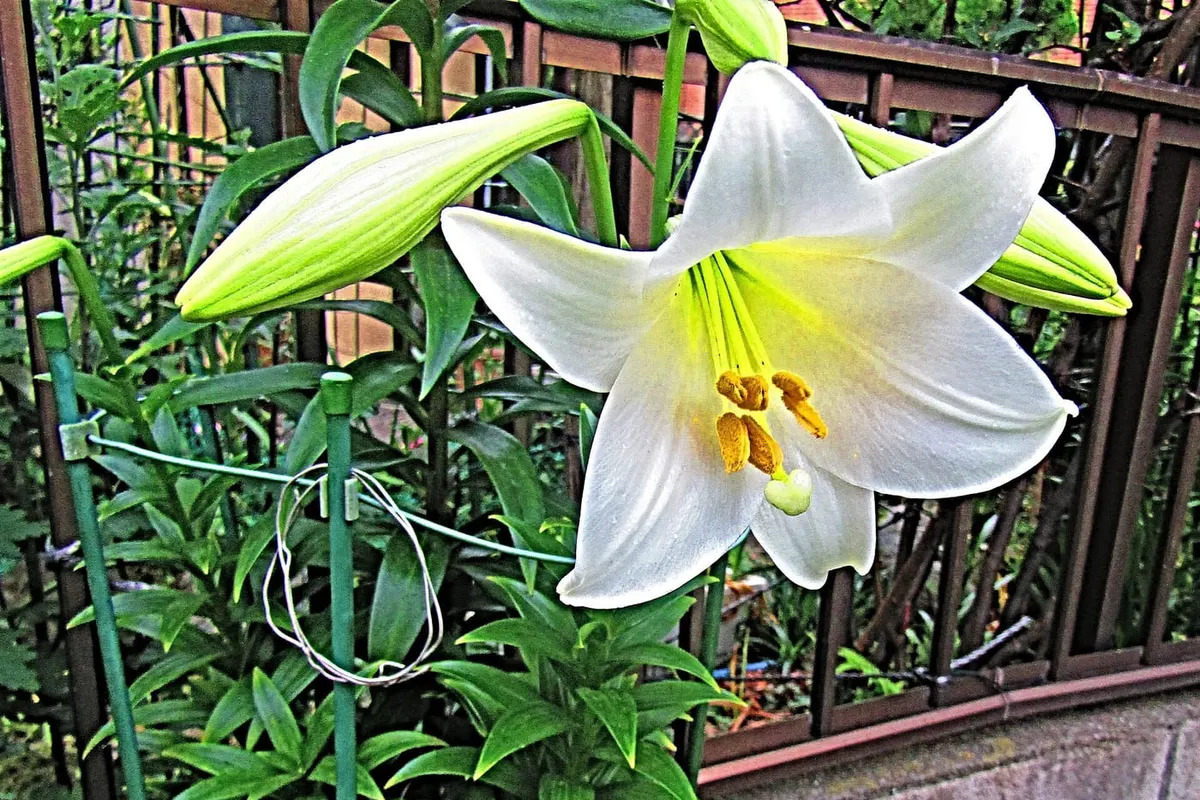
Plants that are toxic to cats
Lilies can kill a cat; a poinsettia mostly causes drooling. Here's which houseplants and flowers are truly dangerous for cats, and what to grow instead.
Pets & Plants
12 houseplants that are hard to kill
Serial plant killer? These 12 tough houseplants survive low light, missed waterings and dry air — plus the one mistake that still kills them.
Indoor Plants
10 plants for dark apartments
No sunny windows? These 10 plants grow in low light — plus how to tell how much light you really have and the one mistake people make in dark rooms.
Indoor Plants
Does misting plants work?
Misting feels helpful, but the water evaporates in minutes. What actually raises humidity for ferns and calatheas, ranked from most to least effective.
Plant Care Basics
When to repot, and what size
Roots out the bottom? It's time. A pot size chart for going up one size, the 5 signs a plant needs repotting, the best time of year and a step-by-step method.
Plant Care Basics
Why pothos leaves turn yellow
Yellow pothos leaves are a message. Learn to read the pattern — soft, crispy, old or new leaves — and fix overwatering, light, roots and more.
Plant Problems