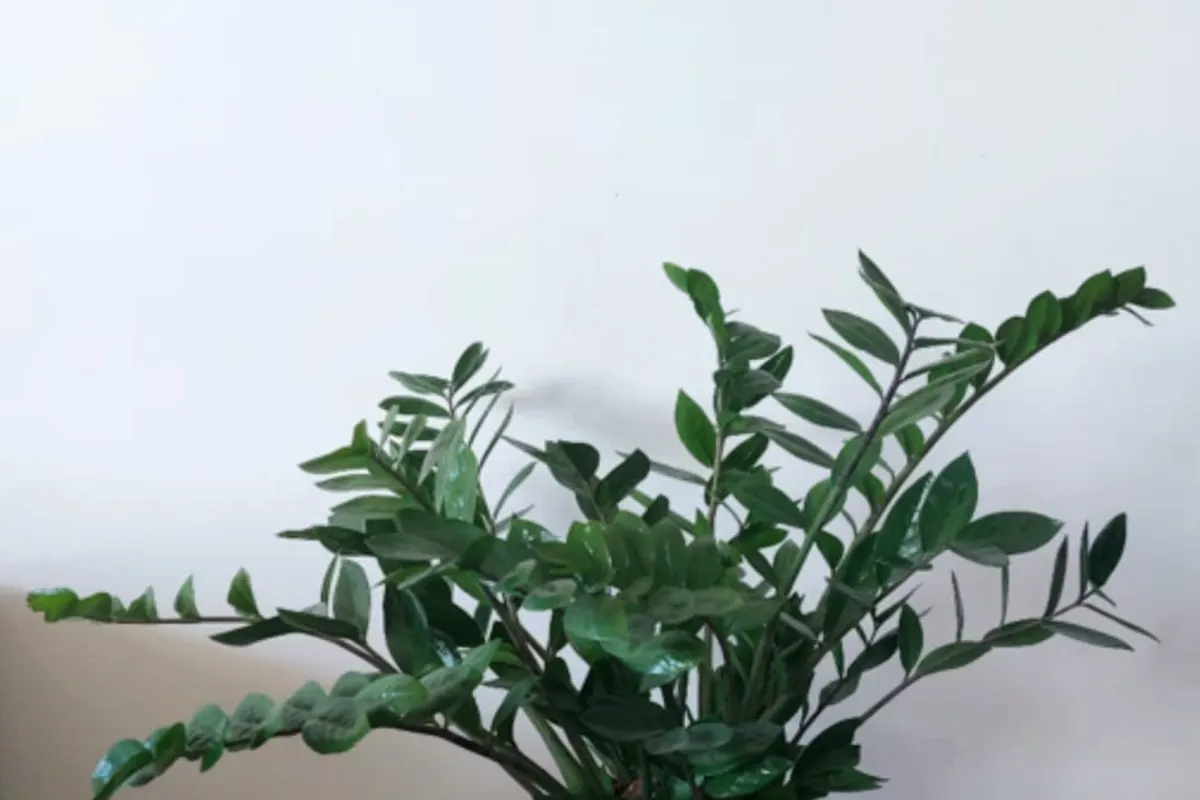
10 plants for dark apartments
No sunny windows? These 10 plants grow in low light — plus how to tell how much light you really have and the one mistake people make in dark rooms.
Indoor Plants
No light meter needed. Use your hand, a sheet of white paper and 30 seconds to find out what kind of light a spot really gets.
1. Put white paper where the plant will go. Hold your hand 12 in (30 cm) above it, around midday. What does the shadow look like?
2. Is it a sunny day?
This spot gets strong light — possibly direct sun for part of the day. Perfect for succulents, cacti and sun lovers. Leafy tropical plants may scorch if they sit right against the glass in summer afternoons.
Plants that will thrive here:
What to do now → How to grow sun lovers like aloeThe sweet spot for most houseplants. Bright room, no harsh sun on the leaves. Almost everything in the shop will be happy here.
Plants that will thrive here:
What to do now → See 12 almost-unkillable plants for this spotFine for tough, shade-tolerant plants — but they will grow slowly and need less water than you think. Avoid succulents and flowering plants here.
Plants that will thrive here:
What to do now → The 10 best plants for low lightNo plant can make food without light. This spot needs a grow bulb — or put the plant here only for a few days at a time and rotate it with a brighter spot.
Plants that will thrive here:
What to do now → How to fix a dark room (grow bulbs that work)Plants live on light. The amount of light a spot gets decides which plants can grow there — far more than watering or fertilizer. The problem is that our eyes are terrible at judging it: a room that looks bright to us can have less than a tenth of the light found right next to the window, because light fades quickly with distance.
A shadow is an honest measure. Strong, direct light makes a sharp, dark shadow. Weaker, scattered light makes a soft, fuzzy one. When there is very little light, the shadow almost disappears. Gardeners have used this trick for decades because it needs no tools and works in any home.
The spot gets direct sun or very strong light, usually right at a south- or west-facing window in the US (north- or west-facing in Australia). Cacti, succulents, jade plants, aloe and ponytail palms love it. Many leafy tropicals can sit here too if a sheer curtain softens the afternoon sun.
This is what plant labels call “bright, indirect light”: a bright room where the sun doesn’t hit the leaves directly, or a few feet back from a sunny window. Pothos, monstera, philodendron, spider plants, peperomia and most popular houseplants do best here.
Typical of rooms with north-facing windows in the US (south-facing in Australia), corners far from windows and hallways. Only shade-tolerant plants handle it: ZZ plant, snake plant, cast iron plant, parlor palm and plain green pothos. They will grow slowly, so water them less often.
If you can’t see any shadow at midday on a sunny day, the spot can’t support a plant long-term. A full-spectrum LED grow bulb in a normal lamp, on a timer for 10–12 hours a day, fixes it cheaply.
Free light meter apps measure light in lux (or foot-candles) with your phone’s front sensor. They are useful for comparing two spots, but different phones can disagree by a lot, and the sensor points the wrong way unless you hold the phone carefully. As a rough guide, bright light is above about 10,000 lux, medium is 2,500–10,000, low is 500–2,500, and below 500 lux most plants slowly starve. The hand test lands in the same buckets without installing anything.
In the US, Canada and the UK, south-facing windows get the most sun, west-facing get hot afternoon sun, east-facing get gentle morning sun and north-facing get the least. In Australia and New Zealand, swap north and south: north-facing windows are the bright ones. East-facing windows are a safe bet almost everywhere because morning sun is rarely strong enough to scorch leaves.
Want the full explanation with photos of each shadow? Read our hand shadow light test guide. Next, find out how often to water a plant in that light.
Around midday on a clear, sunny day, with lamps off. Light changes during the day, so a test at 9am or on a cloudy day will read darker than the spot really is.
About 12 inches (30 cm) above a sheet of white paper placed exactly where the plant will sit, with your hand between the paper and the window.
Phone light meter apps give a number in lux or foot-candles and are handy, but readings vary a lot between phones. The hand shadow test is free, quick and accurate enough to pick the right plant.
In the US, a north-facing window usually gives medium-to-low light with no direct sun. In Australia it is the opposite: north-facing windows are the sunny ones and south-facing windows are the dim ones.
No sunny windows? These 10 plants grow in low light — plus how to tell how much light you really have and the one mistake people make in dark rooms.
Indoor Plants
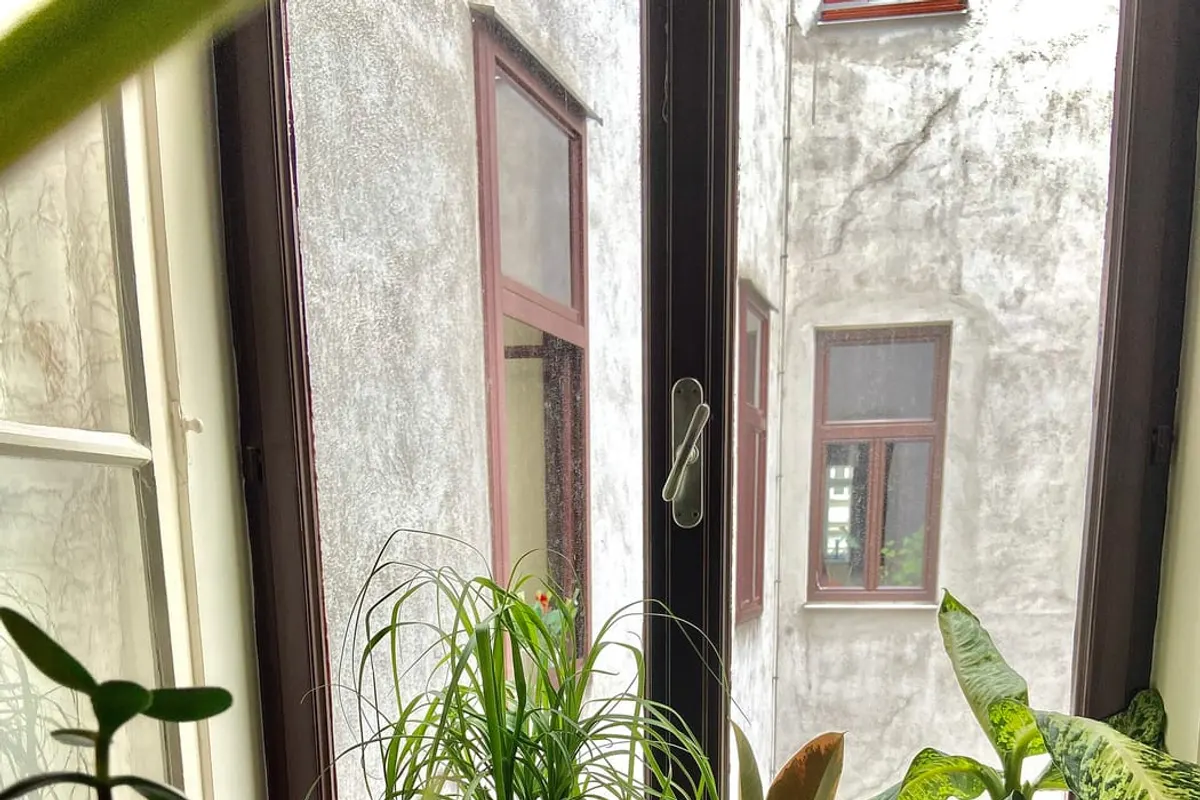
Serial plant killer? These 12 tough houseplants survive low light, missed waterings and dry air — plus the one mistake that still kills them.
Indoor Plants
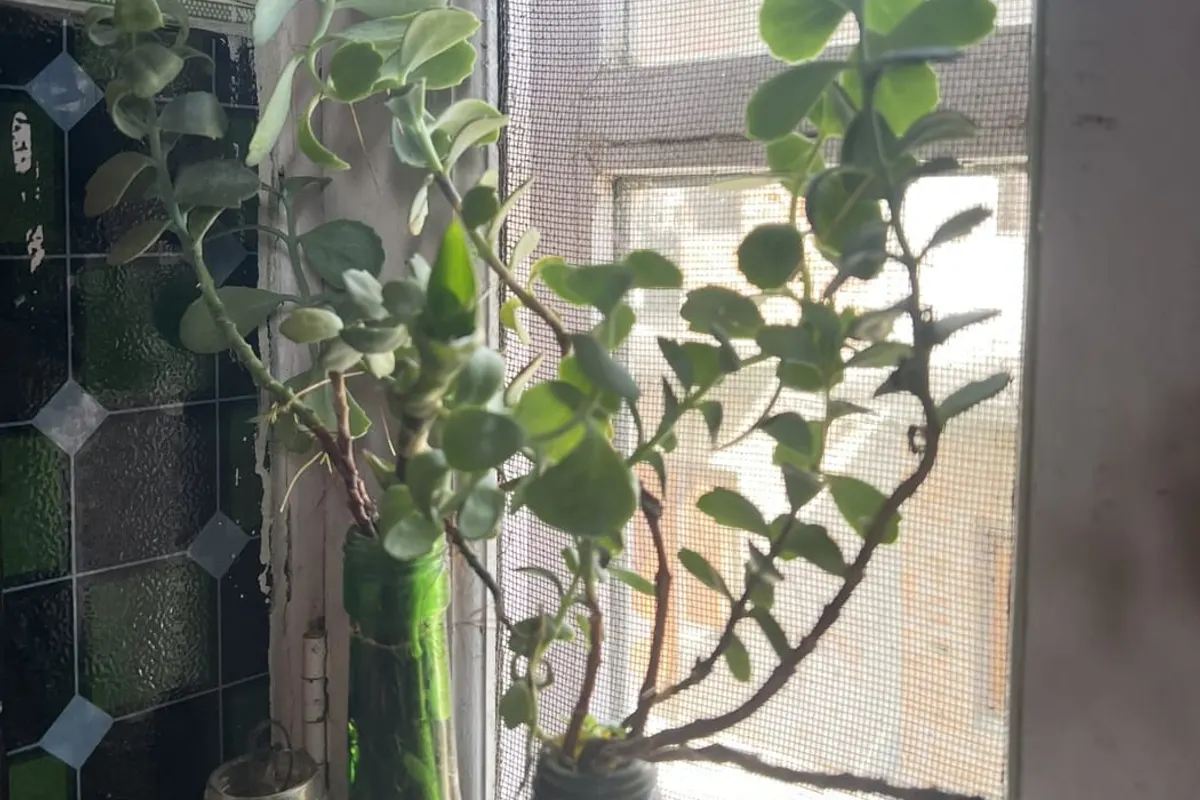
The free 30-second trick plant pros use: read your hand's shadow to know if a spot has bright, medium or low light — and which plants will thrive there.
Plant Care Basics