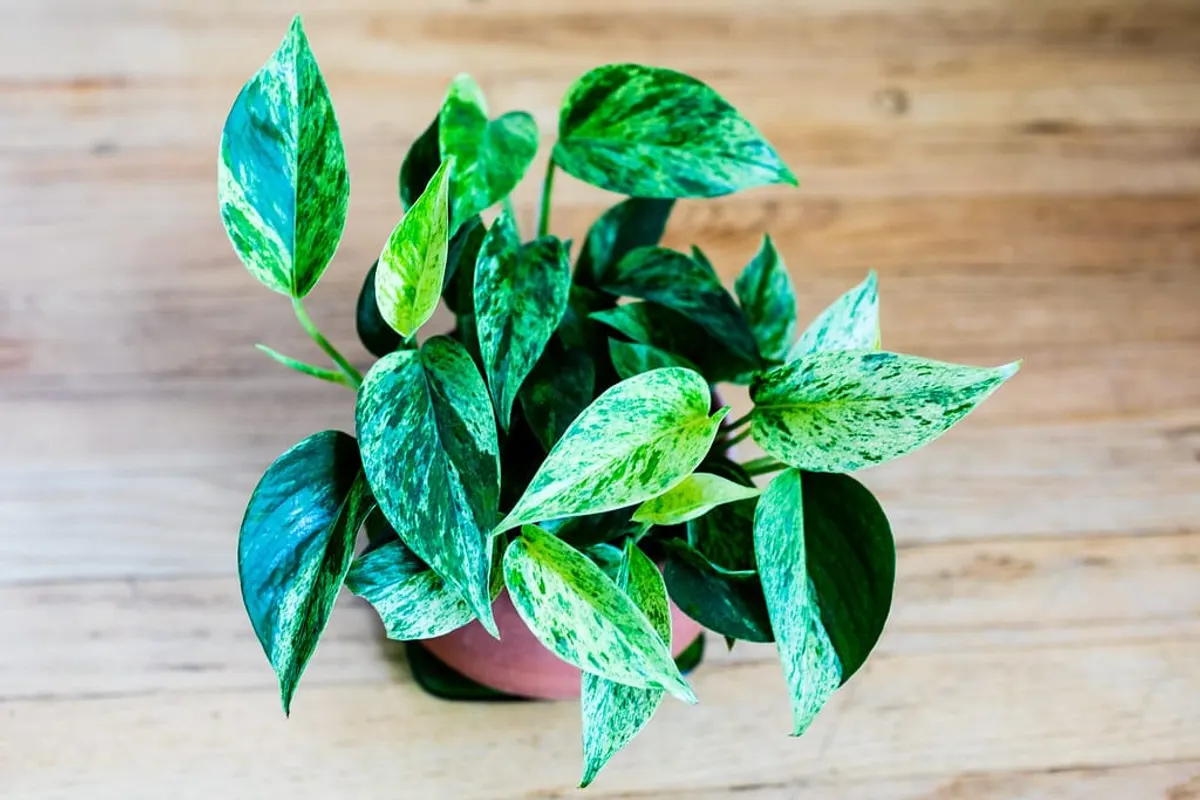
Why pothos leaves turn yellow
Yellow pothos leaves are a message. Learn to read the pattern — soft, crispy, old or new leaves — and fix overwatering, light, roots and more.
Plant Problems
Pothos’ softer-looking twin with heart-shaped leaves. Just as easy.
Philodendron hederaceum
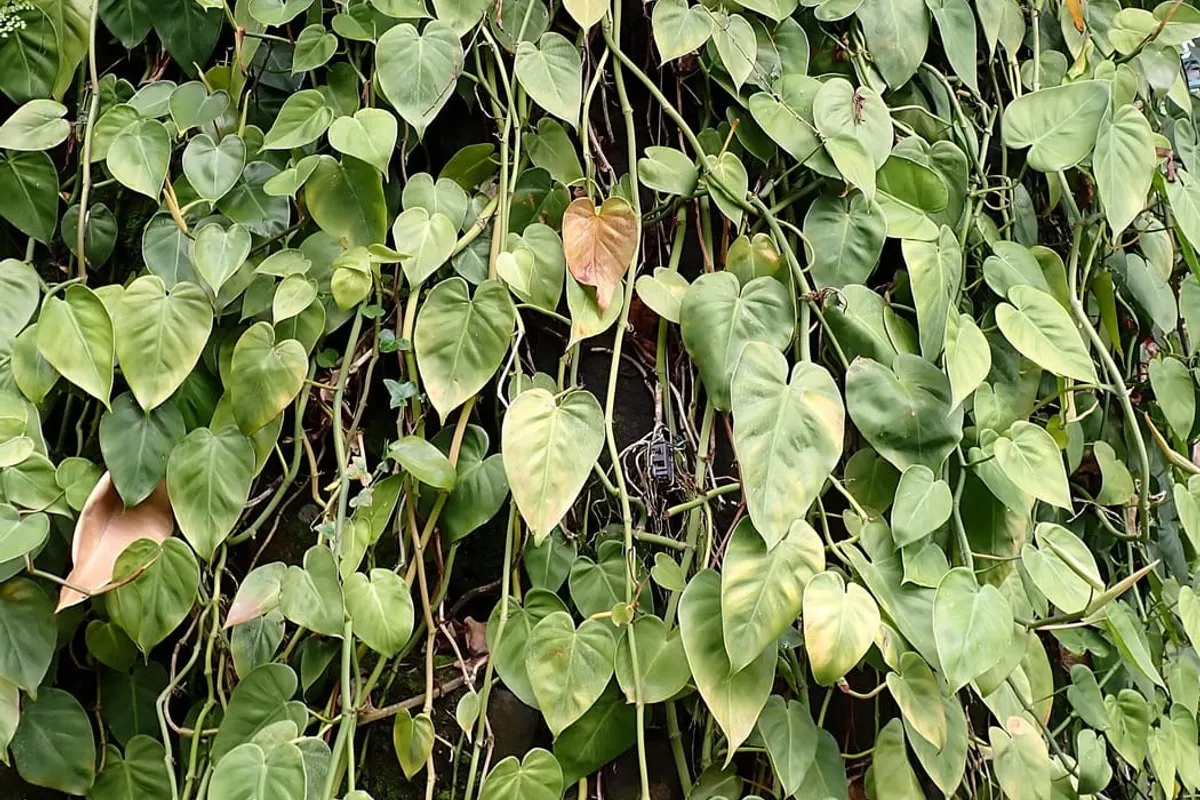
Heart-shaped leaves of Philodendron hederaceum. Photo: Krzysztof Ziarnek, Kenraiz, CC BY-SA 4.0, via Wikimedia Commons.
Heartleaf Philodendron tolerates: low light, medium / indirect, bright indirect or some sun. It is one of the few plants that copes with a dim room — growth just slows down.
Water when the top inch or two is dry, about weekly.
Toxic to cats and dogs (calcium oxalates). Keep it on a high shelf or in a room pets can’t reach — or pick a pet-safe plant instead. Source: ASPCA toxic and non-toxic plant list.
Typical size indoors: Trailing vines 4–8 ft (1.2–2.5 m). Humidity: not fussy at all.
Yellow pothos leaves are a message. Learn to read the pattern — soft, crispy, old or new leaves — and fix overwatering, light, roots and more.
Plant Problems
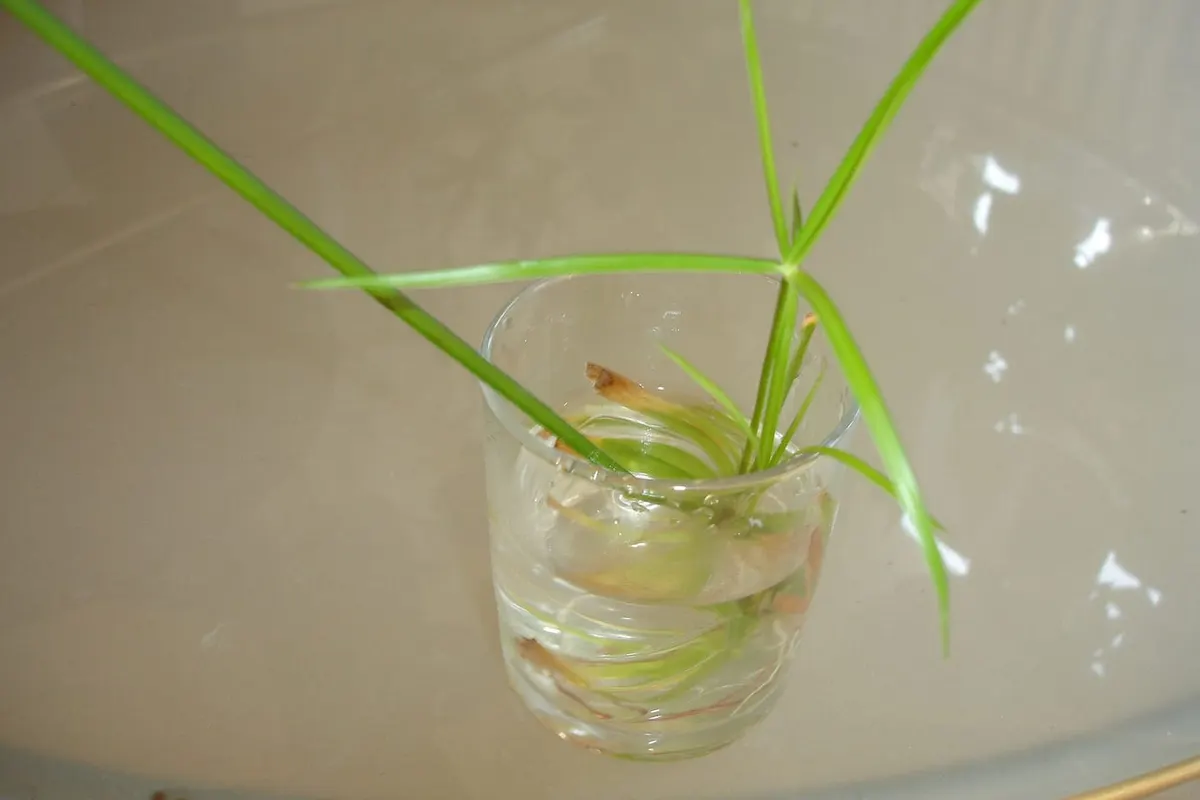
Turn one pothos into many. Where to cut, how long roots take, when to move cuttings to soil and how to make a fuller, bushier plant.
Plant Care Basics
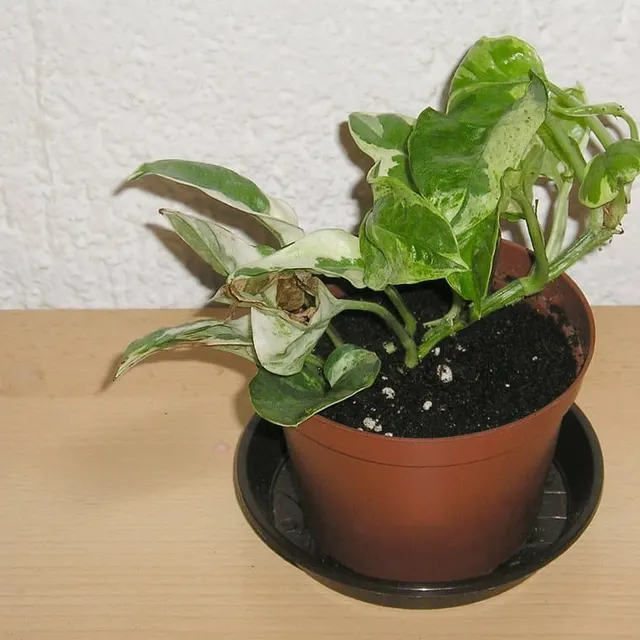
The classic "can’t kill it" vine. Grows in almost any light, tells you when it is thirsty, and roots in a glass of water.
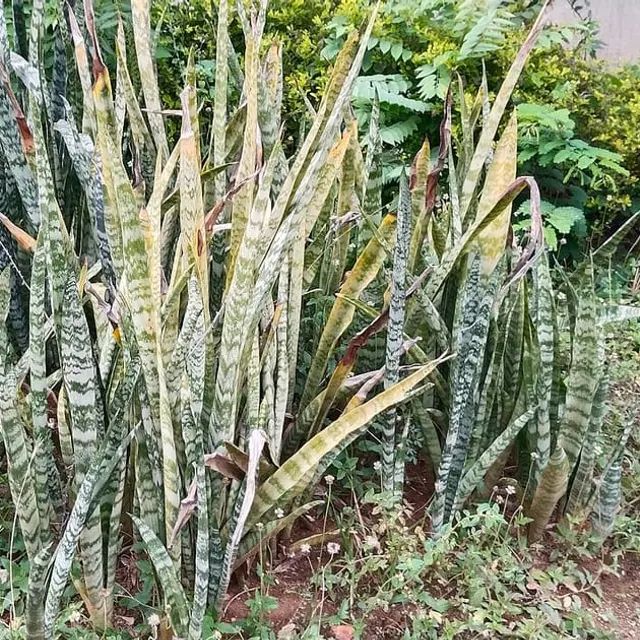
Thrives on neglect. The number-one way to kill it is love — meaning too much water.
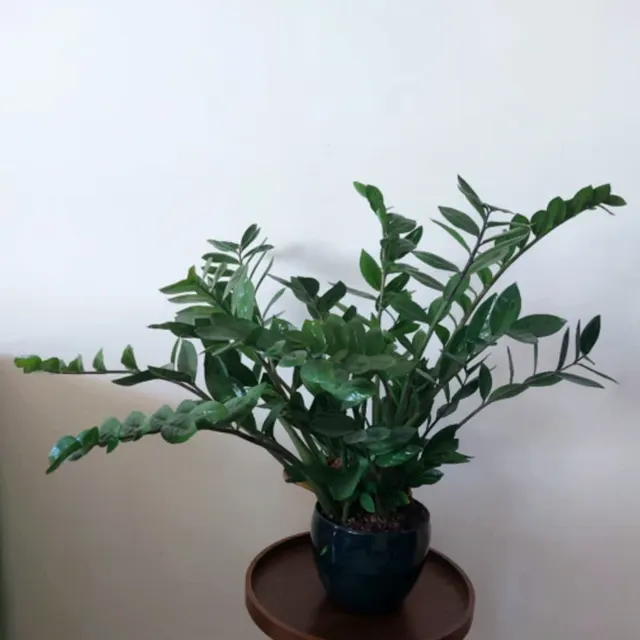
Glossy, almost plastic-looking leaves that tolerate dark offices, dry air and forgetful owners.