
Snake plant care
Everything you need to keep a snake plant thriving: how much light and water, the best soil and pot, how to fix mushy or wrinkled leaves, and how to propagate it.
Top photo: Snake plants (Dracaena trifasciata) with banded leaves, growing outdoors. Photo: KIRUTHIKA OFF, CC BY-SA 4.0, via Wikimedia Commons.
The short answer: Bright indirect light, a terracotta pot with cactus mix, and water only when the soil is completely dry. That’s 90% of snake plant care.
The snake plant (Dracaena trifasciata, formerly Sansevieria) is the plant everyone recommends to beginners — and for good reason. It tolerates low light, dry air and weeks without water. But “hard to kill” isn’t “impossible to kill,” and most snake plants that die are killed the same way.
Snake plant at a glance
- Light: low to bright; best in bright indirect light
- Water: every 2–3 weeks in the growing season; monthly or less in winter
- Soil: fast-draining cactus/succulent mix
- Temperature: 60–85°F (16–29°C); damaged below 50°F (10°C)
- Pets: toxic to cats and dogs (mild — vomiting, nausea)
- Growth: slow in low light, moderate in bright light
Light
Snake plants are famous for tolerating dark corners, and they will survive there — but they basically pause. If you want new leaves, give them bright, indirect light, like a spot near an east- or west-facing window. They can even handle a few hours of direct sun once they’re used to it.
Moving a plant from a dark corner straight into full sun can scorch it. Do it gradually over a couple of weeks.
Watering: the part that matters most
Snake plants are succulents. Their thick leaves store water, and their roots rot quickly in wet soil.
- Check the soil all the way down — a chopstick or a moisture meter helps in tall pots.
- Only when it’s completely dry, water thoroughly until it drains out the bottom.
- Empty the saucer.
- Avoid pouring water into the center of the leaf rosette — water sitting there can cause rot.
In winter (US: roughly November–February; Australia: May–August), the plant almost stops growing. Once a month or even every 6 weeks is plenty.
Best soil and pot
- Soil: a cactus or succulent mix, or regular potting mix with about one-third perlite or pumice.
- Pot: terracotta is ideal because it wicks moisture away. Always use a pot with a drainage hole.
- Size: snake plants like being snug. Repot only when roots crack the pot or push out the bottom — usually every 2–4 years — and go up just one size.
Fertilizer
Very little. Feed with a diluted cactus or houseplant fertilizer once in spring and once in summer. Never in winter.
Common snake plant problems
| Problem | Cause | Fix |
|---|---|---|
| Mushy, soft leaf base; leaves falling over | Root rot from overwatering | Unpot, cut off rotten roots and leaves, let dry, repot in dry cactus mix |
| Wrinkled, curling, thin leaves | Underwatering (rare) or rotten roots that can’t drink | Check the roots; if healthy, water deeply |
| Yellow leaves | Too much water | Let the soil dry fully; check for rot |
| Brown, crispy tips | Inconsistent watering or very dry air | Trim tips with clean scissors; water more consistently |
| Long, thin, floppy leaves | Not enough light | Move closer to a window |
| Brown spots with yellow rims | Fungal leaf spot from wet leaves | Keep leaves dry; remove the worst leaves |
| Cold-damaged, mushy patches after winter | Sat too close to a cold window | Move away from glass in winter |
How to propagate a snake plant
You can make new snake plants for free in three ways:
1. Division (fastest): When repotting, split the root ball into sections with at least one leaf cluster and some roots each. Pot them up separately.
2. Leaf cuttings in water: Cut a healthy leaf into 3–4 inch (8–10 cm) sections. Remember which end was down! Let them dry for a day, then stand them bottom-down in an inch of water. Change the water weekly. Roots appear in 4–8 weeks; pups follow later.
3. Leaf cuttings in soil: Same as above, but push the callused cut ends into damp cactus mix. Slower but less prone to rot.
Note: variegated types with yellow edges (like ‘Laurentii’) lose their yellow edges when grown from leaf cuttings. Use division to keep the pattern.
Do snake plants clean the air?
You’ll often see this claim based on a 1989 NASA study. In a sealed chamber, plants removed some chemicals — but later research showed that in a real home, you’d need an unrealistic number of plants to make a measurable difference. Buy a snake plant because it’s beautiful and easy, not as an air purifier. Open a window for fresh air.
Snake plant varieties
All of these get the same care; they differ in size and color:
| Variety | Looks like | Typical height indoors |
|---|---|---|
| ‘Laurentii’ | Classic: dark green bands, yellow edges | 2–4 ft |
| ‘Moonshine’ | Pale silvery-green leaves | 1–2 ft |
| ‘Hahnii’ (bird’s nest) | Short rosette of wide leaves | 6–8 in |
| ‘Black Coral’ / ‘Zeylanica’ | Dark leaves with silvery bands, no yellow edge | 2–3 ft |
| ‘Whitney’ | Compact, with cream edges | 1–1.5 ft |
| Cylindrical snake plant (Dracaena angolensis) | Round, spear-like leaves, sometimes braided | 2–3 ft |
The compact types (‘Hahnii’, ‘Whitney’) are good for desks and shelves; ‘Laurentii’ and the cylindrical type make floor plants.
How often to water, by pot size
Starting points for a plastic pot with cactus mix in medium light. Always confirm the soil is dry all the way down:
| Pot | Spring–summer | Winter (about Nov–Feb in the US) |
|---|---|---|
| 4 in | Every 8–12 days | Every 2–3 weeks |
| 6 in | Every 10–15 days | Every 3–4 weeks |
| 8 in | Every 12–18 days | Every 4–5 weeks |
| 10 in+ | Every 2–3 weeks | Every 5–6 weeks |
Terracotta dries a few days faster; a dark corner can double the gaps. The lift test is the easiest check for tall pots.
Root rot rescue, step by step
- Unpot it and shake off the wet soil.
- Cut away anything soft: mushy roots, and any leaf that’s soft or translucent at the base.
- Let it dry on newspaper, out of direct sun, for 1–2 days so the cuts callus.
- Repot into dry cactus mix, in a pot just big enough for the remaining roots, with a drainage hole.
- Wait about a week before the first watering, then water lightly.
- Healthy leaf tops you removed? Cut them into sections and root them as backups (see propagation above).
Does it flower?
Occasionally, usually when it’s been pot-bound in bright light for years. It sends up a spike of small, cream, tube-shaped flowers that are fragrant at night and drip a sticky nectar. It doesn’t harm the plant; cut the spike off when it fades.
Snake plants outdoors in the US
Snake plants can’t take frost. In most of the US they’re houseplants that can spend summer on a shaded patio once nights stay above 50°F — bring them in before fall cold (see when to bring plants inside). In frost-free areas like South Florida they grow in the ground and can spread aggressively, so keep them in containers there and check local invasive-plant guidance.
Mistakes that kill snake plants
- Watering on a weekly schedule. It needs far less.
- Pots without drainage or decorative pots that collect water.
- Regular potting soil packed into a big pot.
- Pouring water into the center rosette — it sits there and rots the base.
- Cold windows in winter. Leaves touching glass below 50°F get mushy scars.
Snake plant or ZZ plant?
They’re the two classic “forget about me” plants, and people often choose between them:
| Snake plant | ZZ plant | |
|---|---|---|
| Shape | Upright, sword-like leaves | Arching stems with glossy oval leaflets |
| Lowest light | Low | Low |
| Water | When completely dry | When completely dry |
| Growth | Slow; faster in bright light | Slow |
| Handles direct sun | Yes, once adjusted | Leaves can scorch |
| Pets | Toxic (mild) | Toxic |
| Best for | Narrow corners, floor spots, bright windows | Dark offices, shelves, tabletops |
If you have pets, a cast iron plant is the non-toxic option with a similar easygoing nature.
Snake plant and pets
Snake plants contain saponins, which can cause nausea, vomiting and diarrhea if a cat or dog chews them. It’s usually mild, but if you have a chewer, a cast iron plant gives a similar tough, upright look and is non-toxic. More pet-safe options →
Looking for its partner in crime? The ZZ plant has the same “forget about me” personality. Both made our list of houseplants that are almost impossible to kill.
Other plants in this guide
Quick answers
Should I cut brown tips off snake plant leaves?
You can trim them with clean scissors for looks, following the leaf's natural shape. The cut edge won't grow back, but it won't harm the plant.
Can a snake plant live in a windowless bathroom?
Not for long without help. It tolerates low light, not darkness. Add a full-spectrum LED bulb on a timer for 10–12 hours a day, or rotate it to a window every couple of weeks.
How often should I water a snake plant?
Only when the soil is completely dry — usually every 2–3 weeks in spring and summer and every 4–6 weeks in winter. Overwatering is the main way snake plants die.
Does a snake plant need sunlight?
It tolerates low light but grows best in bright, indirect light and can handle some direct sun. In a dark spot it will survive but barely grow.
Why are my snake plant leaves falling over?
Usually overwatering (soft, mushy base) or not enough light (long, thin, weak leaves). Check the base of the leaves first; if it's mushy, it's root rot.
Sources
- NC State Extension Plant Toolbox — Dracaena trifasciata
- ASPCA — Snake Plant
- Royal Horticultural Society — Houseplants
Checked November 9, 2026. Spotted an error? Tell us — see our editorial policy.

Pin it to your plant board so you can find it when you need it.
Save to PinterestKeep reading
More Indoor Plants →
12 houseplants that are hard to kill
Serial plant killer? These 12 tough houseplants survive low light, missed waterings and dry air — plus the one mistake that still kills them.
Indoor Plants
10 plants for dark apartments
No sunny windows? These 10 plants grow in low light — plus how to tell how much light you really have and the one mistake people make in dark rooms.
Indoor Plants
Christmas cactus not blooming?
Christmas cactus sets buds when nights are long or cool. The 6-week plan to get blooms, why buds drop, and how to tell a Thanksgiving cactus from a Christmas cactus.
Indoor Plants
The lift test
Lift the pot: heavy means wait, light means water. How to calibrate the lift test with a kitchen scale in two days, plus a worked example with real numbers.
Plant Care Basics
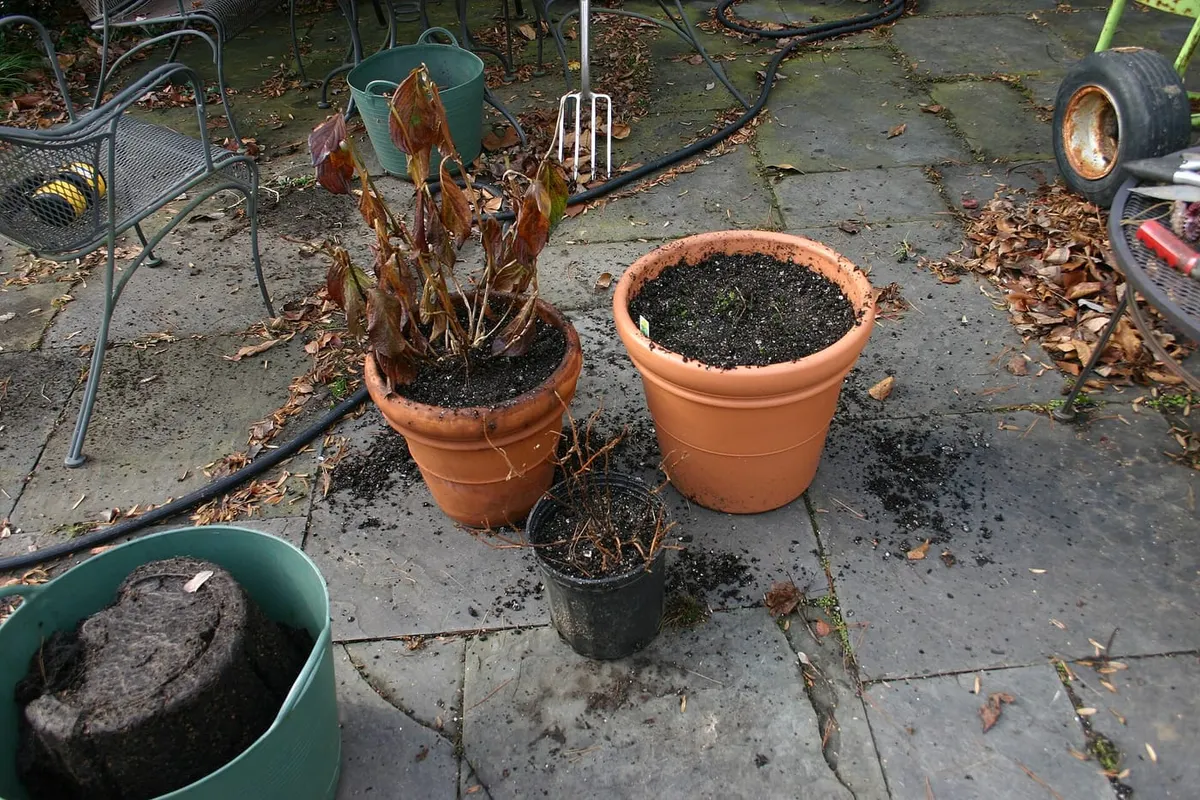
When to repot, and what size
Roots out the bottom? It's time. A pot size chart for going up one size, the 5 signs a plant needs repotting, the best time of year and a step-by-step method.
Plant Care Basics
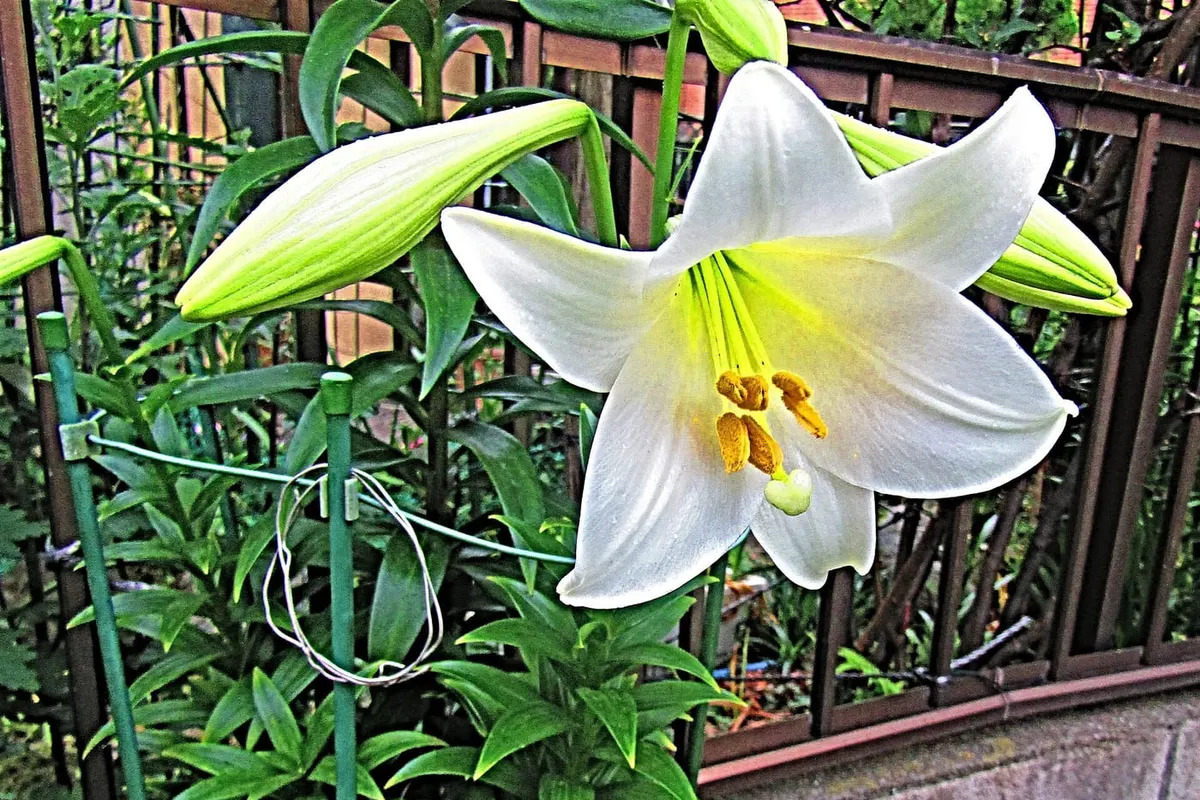
Plants that are toxic to cats
Lilies can kill a cat; a poinsettia mostly causes drooling. Here's which houseplants and flowers are truly dangerous for cats, and what to grow instead.
Pets & Plants