
The lift test
Lift the pot: heavy means wait, light means water. How to calibrate the lift test with a kitchen scale in two days, plus a worked example with real numbers.
Top photo: A 'N'Joy' pothos with green-and-white leaves in a pot. Photo: blumenbiene, CC BY 2.0, via Flickr.
Lift the pot: if it feels heavy, wait; if it feels surprisingly light, water. Water is heavy — a cup weighs about half a pound — so a pot loses a lot of weight as it dries. With two weigh-ins on a kitchen scale you can turn that feeling into a number you can trust.
This is the best method for pots where your finger can’t reach the roots: deep pots, plants with a top layer of pebbles, and anything you’ve repotted into chunky mix.
How to calibrate it (two days, two numbers)
- Weigh it wet. Water thoroughly until water runs out of the hole, let it drain for 15 minutes, then put the whole pot on a kitchen scale. Write the number on a piece of tape on the pot.
- Weigh it dry. When the soil is at the point where the plant needs water (top 2 inches dry for most tropicals, bone dry for succulents — see the watering chart), weigh again. Write that number too.
- Your trigger is the dry number. Most leafy plants are ready for water when the pot has lost about half of the weight it gained when you watered.
A worked example
Here’s how the math works, with illustrative numbers for a 6-inch plastic pot. Your own pot will weigh something different — that’s why you weigh it.
| Moment | Weight | What it means |
|---|---|---|
| Right after watering (drained) | 1,450 g (3.2 lb) | Full |
| 4 days later | 1,250 g (2.75 lb) | Still moist — wait |
| 7 days later | 1,080 g (2.4 lb) | Top 2 inches dry — water now |
| If you forgot: 12 days later | 950 g (2.1 lb) | Bone dry — water slowly or bottom-water |
In this example the pot gains about 370 g (13 oz) when watered. Watering when it drops back to around 1,100 g keeps the roots moist without staying soggy.
Why it beats a schedule
- It adjusts by itself to heat waves, cloudy weeks and the heating season.
- It catches overwatering. If the pot is still heavy a week later, you know the soil isn’t drying — a warning sign for root rot. Overwatered or underwatered? →
- It’s fast. Lifting six pots takes less time than poking six fingers in soil.
Plants where the lift test shines
| Plant | Lift test tip |
|---|---|
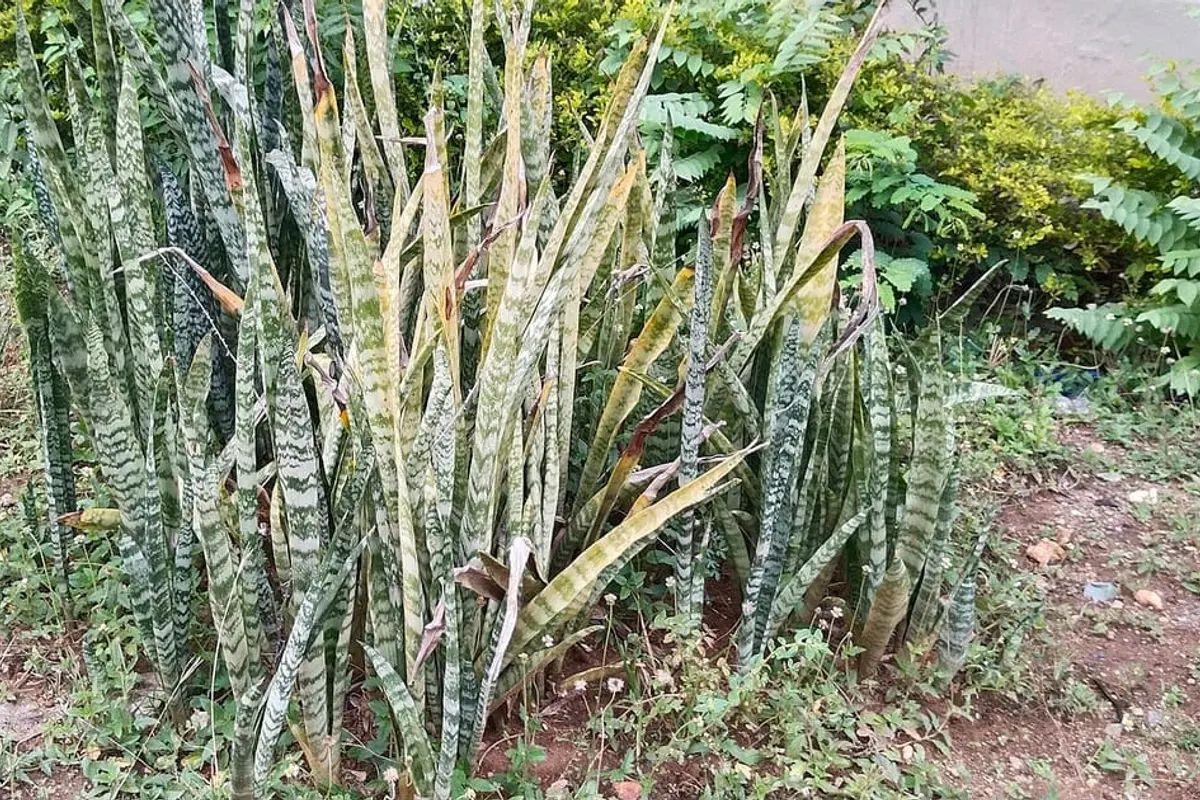
| Snake plant | Water only when the pot is at its lightest. Heavy = don’t touch. |
| ZZ plant | Same as snake plant; it can stay “light” for a week with no harm. |
| Monstera | Water at the halfway point; the big leaves drink fast in summer. |
| Fiddle leaf fig | Hates both extremes — weigh weekly to keep it steady. |
| Hanging baskets | Reach up and push from below; a light basket swings easily. |
Limits
- Very large pots: tilt the pot a few degrees instead of lifting, or use a moisture meter.
- Self-watering pots: check the reservoir indicator instead.
- Fresh repot: new soil changes the weights. Recalibrate after repotting — here’s when and how to repot.
Prefer not to weigh anything? The watering calculator gives you check dates based on the plant, pot and light.
Plants in this guide
Quick answers
Does the lift test work for big floor plants?
You can't lift a 14-inch pot easily, but you can tilt it slightly and feel how hard it is to tip, or use a moisture meter for the root zone. For pots up to about 10 inches, the lift test is the easiest method there is.
Do I need a scale?
No. A scale makes the first calibration faster, but after a few waterings most people can feel the difference between 'just watered' and 'needs water' by hand.
Sources
Checked November 9, 2026. Spotted an error? Tell us — see our editorial policy.

Pin it to your plant board so you can find it when you need it.
Save to PinterestKeep reading
More Plant Care Basics →
How often to fertilize
Feed most houseplants once a month in spring and summer at half strength, and not at all in winter. A dilution chart, what N-P-K means and signs of too much.
Plant Care Basics
When to repot, and what size
Roots out the bottom? It's time. A pot size chart for going up one size, the 5 signs a plant needs repotting, the best time of year and a step-by-step method.
Plant Care Basics
How often to water houseplants
Watering on a schedule kills more houseplants than anything else. Learn the 10-second finger test, how much water to give and how seasons change it.
Plant Care Basics
10 plants for dark apartments
No sunny windows? These 10 plants grow in low light — plus how to tell how much light you really have and the one mistake people make in dark rooms.
Indoor Plants
Snake plant care
Everything you need to keep a snake plant thriving: how much light and water, the best soil and pot, how to fix mushy or wrinkled leaves, and how to propagate it.
Indoor Plants

When to bring plants inside
Tropical houseplants should come in when nights drop below 50–55°F, well before frost. A temperature chart by plant type and a 5-step bug-check list.
Garden