
Christmas cactus not blooming?
Christmas cactus sets buds when nights are long or cool. The 6-week plan to get blooms, why buds drop, and how to tell a Thanksgiving cactus from a Christmas cactus.
Top photo: A red Christmas cactus (Schlumbergera) flower. Photo: Agnes Monkelbaan, CC BY-SA 4.0, via Wikimedia Commons.
A Christmas cactus blooms after about 6 weeks of long nights (12–14 hours of darkness) or cool nights around 50–55°F. If yours sits in a warm living room with lamps on every evening, it never gets the signal. Move it to a cool, dark-at-night spot in fall and buds usually appear within 6–8 weeks.
The other common culprit: it did set buds, and they dropped because something changed suddenly.
The 6-week bloom plan
Start in early fall (late September to early October in the US) for December flowers:
| Week | What to do |
|---|---|
| 1–6 | Give it long nights: a spare room, porch or windowsill where no lights go on after sunset. Or keep it cool at night (50–55°F). Either signal works; both together work best. |
| 1–6 | Water a little less: let the top inch dry out between waterings. No fertilizer. |
| When buds appear | Stop moving it. Return to normal watering. Keep it away from heaters and cold drafts. |
| Blooming | Bright, indirect light. Flowers last several weeks. |
Important: keep it above freezing. Below about 45°F you risk damage, and a frost kills it. Bringing plants in before frost →
Why buds fall off
| Cause | Fix |
|---|---|
| Moved or rotated after buds formed | Pick its blooming spot before buds appear and leave it there |
| Hot, dry air (heater vent, fireplace) | Move it to a cooler spot |
| Soil bone dry or soggy | Water when the top inch is dry; never let it sit in water |
| Sudden temperature drop | Keep it away from doors and cold windows at night |
| Too little light during the day | Bright, indirect light while budding |
Thanksgiving, Christmas or Easter cactus?
Most “Christmas cacti” sold in US stores in November are actually Thanksgiving cacti. Look at the edges of the flat stem segments:
| Type | Segment edges | Usually blooms |
|---|---|---|
| Thanksgiving cactus (Schlumbergera truncata) | Sharp, pointed teeth like little claws | Late November |
| Christmas cactus (Schlumbergera × buckleyi) | Rounded, scalloped bumps | December |
| Easter cactus (Hatiora / Rhipsalidopsis) | Rounded, with small bristles at the tips | Spring |
Care is almost the same for the first two. The Easter cactus needs its cool rest in late winter instead.
Year-round care in brief
- Light: bright, indirect. Direct afternoon sun turns segments red or yellow.
- Water: when the top inch is dry. It’s a forest cactus from Brazil — it likes more water than a desert cactus.
- Soil: fast-draining mix; add perlite or orchid bark to regular potting mix.
- Pot: it likes to be snug. Repot every 2–3 years, after blooming. Pot size chart →
- Pets: non-toxic to cats and dogs according to the ASPCA — a good swap for the poinsettia if you have a curious cat.
Looking for more plants that are safe with pets? See the pet-safe houseplant list.
Quick answers
Is Christmas cactus safe for cats and dogs?
Yes. The ASPCA lists Christmas cactus as non-toxic to cats and dogs. Eating a lot of it can still cause a mild upset stomach.
My cactus bloomed in November. Is it broken?
No — you probably have a Thanksgiving cactus. It's the most common type sold in US stores and naturally blooms about a month earlier than a true Christmas cactus.
Sources
- NC State Extension Plant Toolbox — Schlumbergera
- ASPCA — Christmas Cactus
- Royal Horticultural Society — Houseplants
Checked November 9, 2026. Spotted an error? Tell us — see our editorial policy.

Pin it to your plant board so you can find it when you need it.
Save to PinterestKeep reading
More Indoor Plants →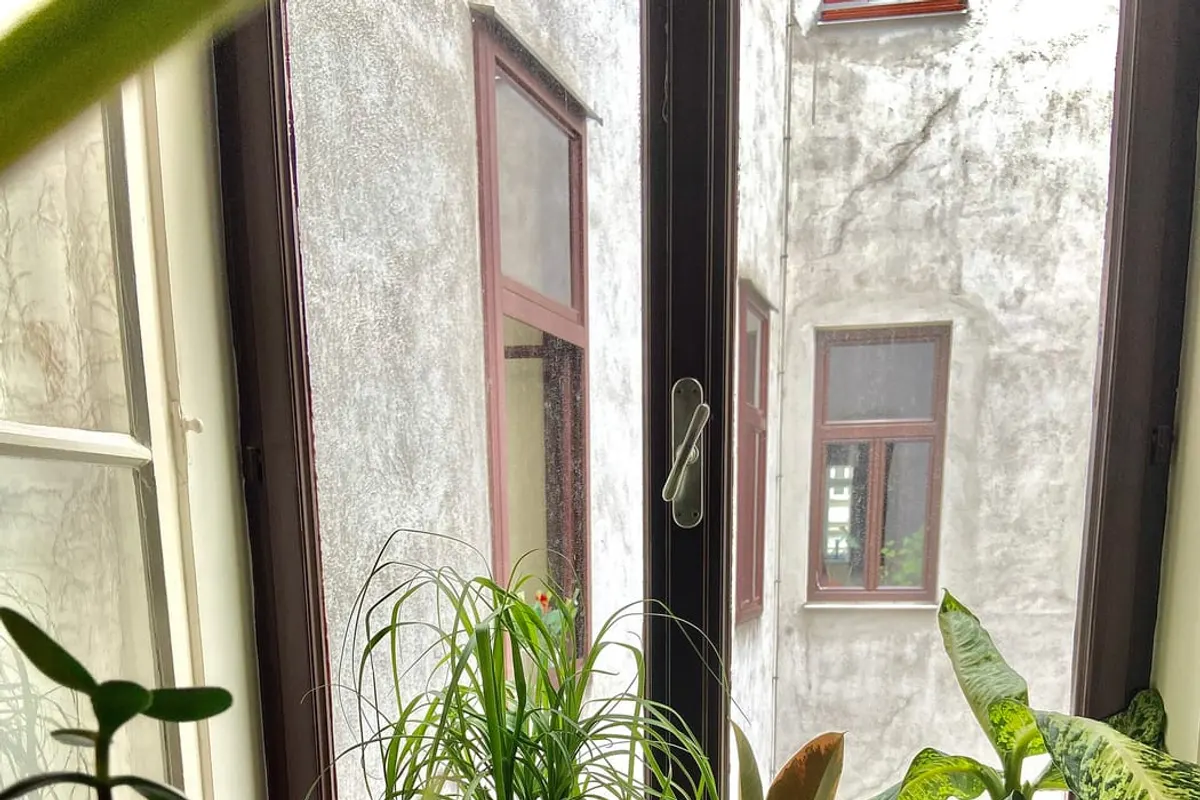
12 houseplants that are hard to kill
Serial plant killer? These 12 tough houseplants survive low light, missed waterings and dry air — plus the one mistake that still kills them.
Indoor Plants
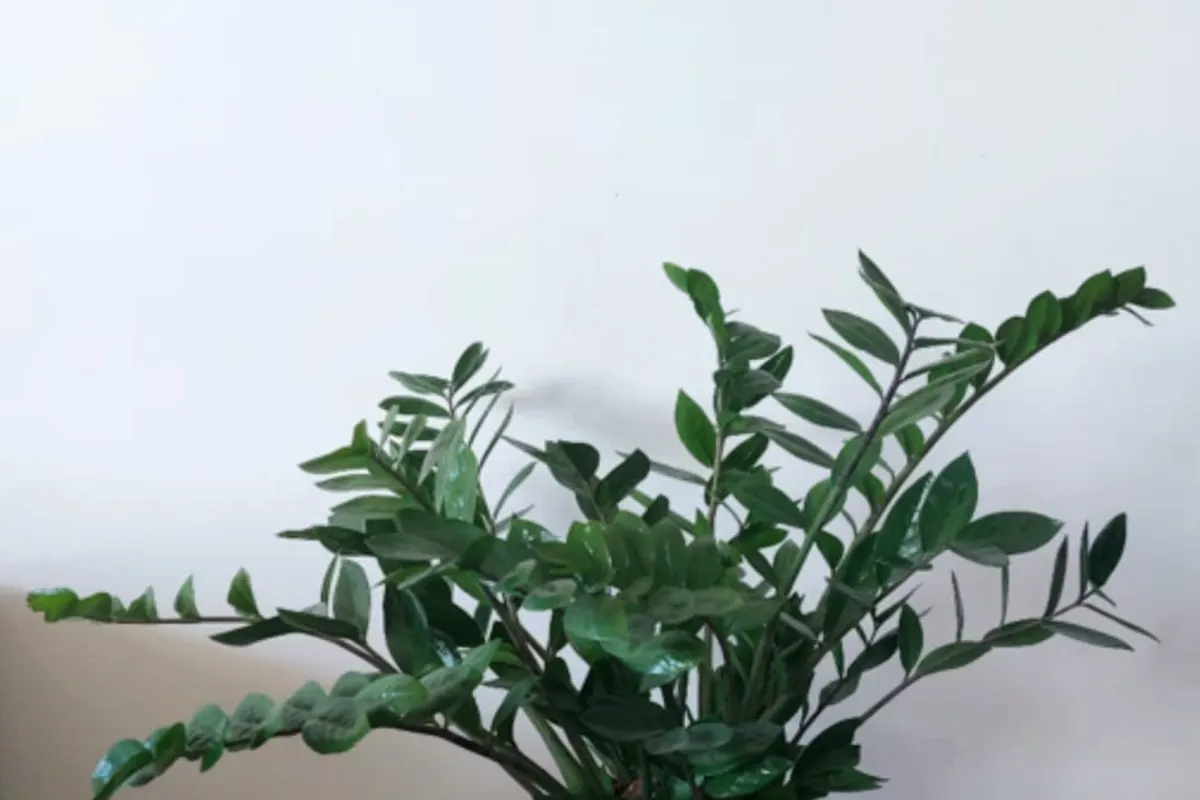
10 plants for dark apartments
No sunny windows? These 10 plants grow in low light — plus how to tell how much light you really have and the one mistake people make in dark rooms.
Indoor Plants
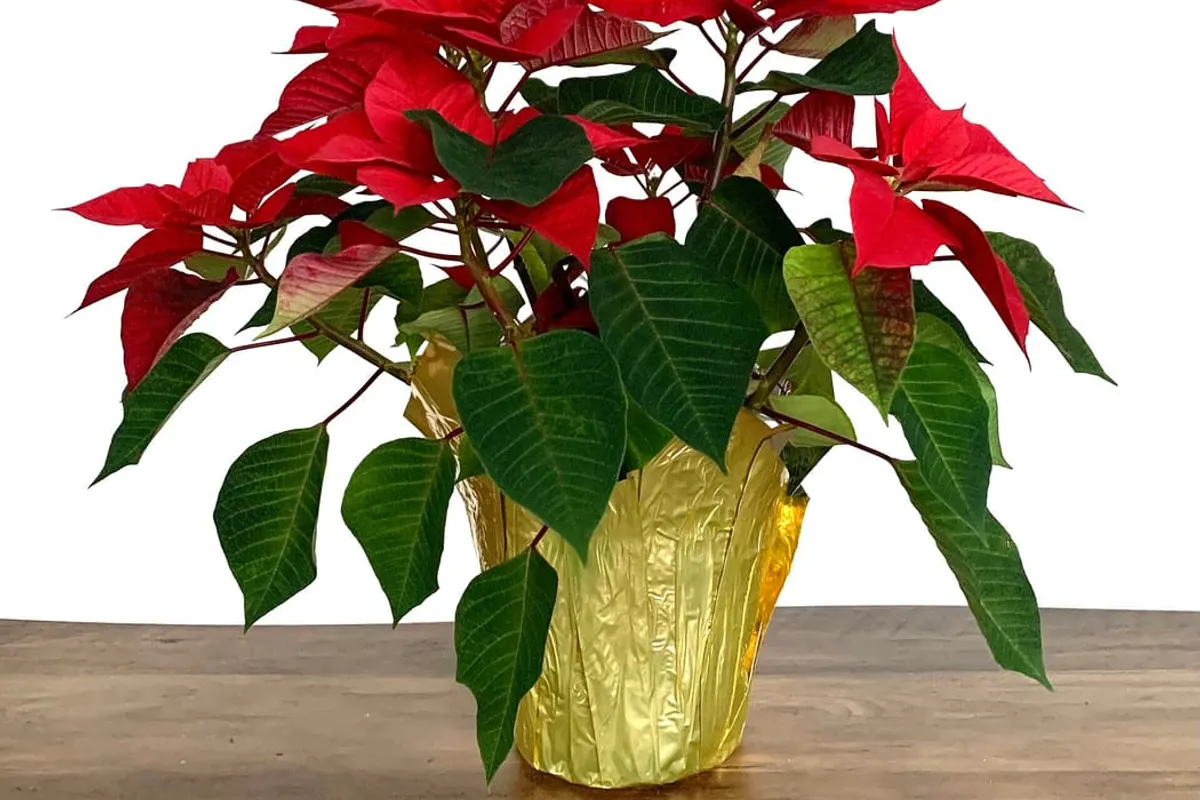
Poinsettia care
Pick a healthy poinsettia, keep it at 60–70°F away from drafts, water when the surface is dry — and how to make it turn red again next December.
Indoor Plants
Overwatered or underwatered?
Both make leaves droop and turn yellow. Check the soil, the leaf texture and the roots to tell overwatering from underwatering — and fix each one.
Plant Problems
The hand-shadow light test
The free 30-second trick plant pros use: read your hand's shadow to know if a spot has bright, medium or low light — and which plants will thrive there.
Plant Care Basics
A watering chart for 24 plants
A printable watering chart for 24 popular houseplants: when the soil should be dry, how many days in summer vs. winter, and which plants are toxic to pets.
Plant Care Basics