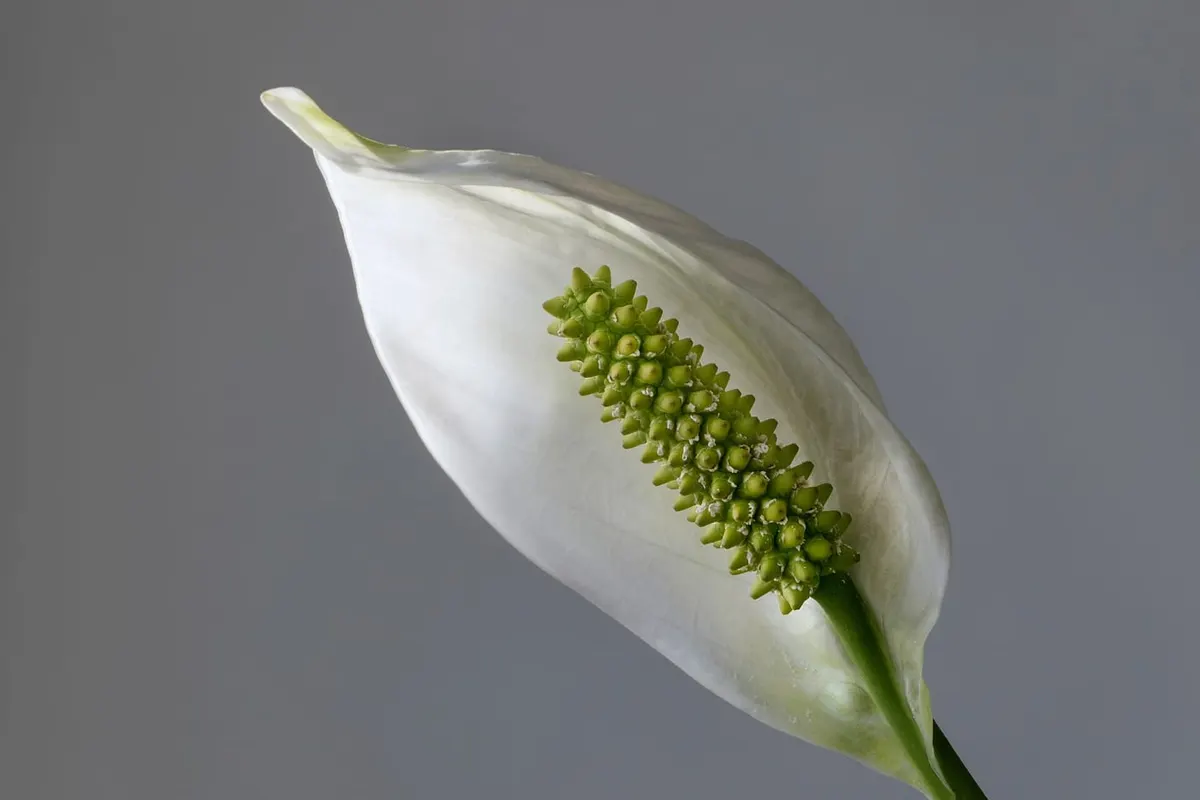
Overwatered or underwatered?
Both make leaves droop and turn yellow. Check the soil, the leaf texture and the roots to tell overwatering from underwatering — and fix each one.
Plant Problems
Gorgeous and dramatic. Needs a bright window and a routine — not a beginner plant.
Ficus lyrata
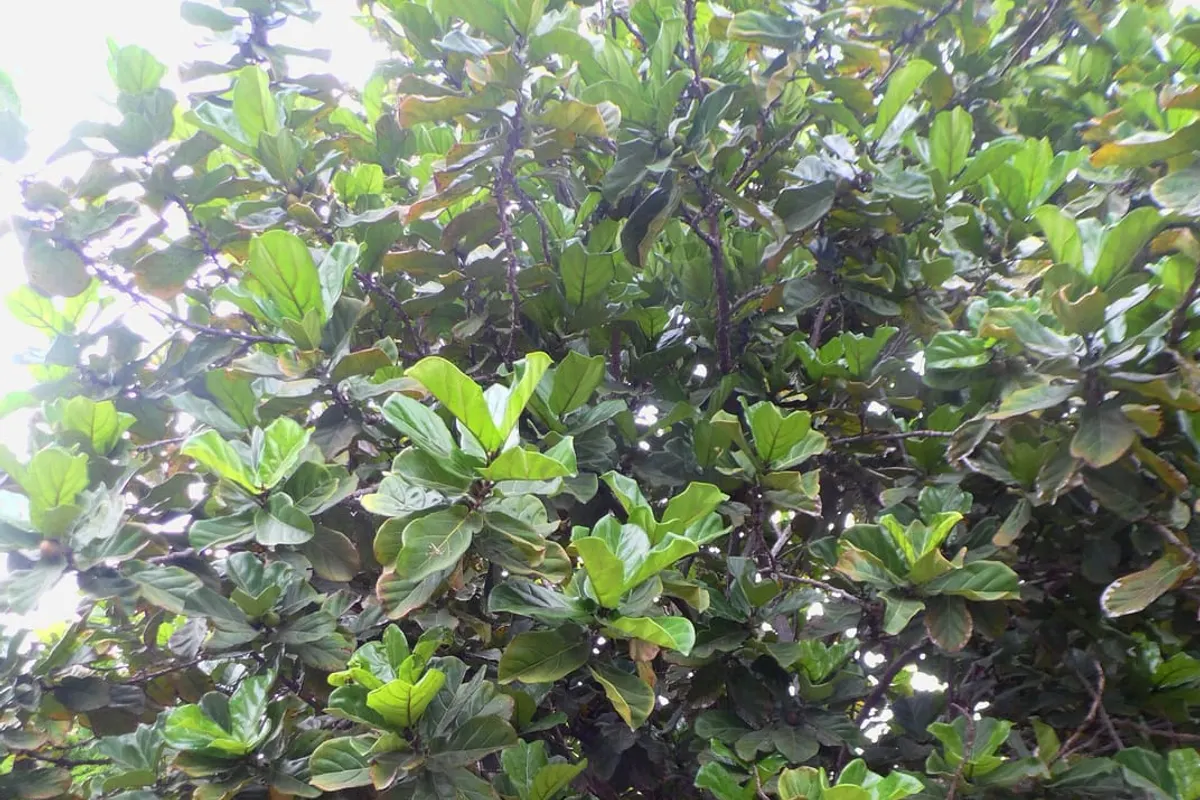
Fiddle leaf fig (Ficus lyrata) leaves. Photo: Krzysztof Ziarnek, Kenraiz, CC BY-SA 3.0, via Wikimedia Commons.
Fiddle Leaf Fig tolerates: bright indirect or some sun. Put it within a few feet of a window; a dark corner will make it weak and leggy.
Water thoroughly when the top 2 inches are dry, then let it drain. Consistency matters more than amount.
Toxic to cats and dogs (sap irritates mouth and stomach). Keep it on a high shelf or in a room pets can’t reach — or pick a pet-safe plant instead. Source: ASPCA toxic and non-toxic plant list.
Typical size indoors: 4–10 ft (1.2–3 m) indoors. Humidity: normal household humidity is fine; avoid heater vents.
Both make leaves droop and turn yellow. Check the soil, the leaf texture and the roots to tell overwatering from underwatering — and fix each one.
Plant Problems
Lift the pot: heavy means wait, light means water. How to calibrate the lift test with a kitchen scale in two days, plus a worked example with real numbers.
Plant Care Basics
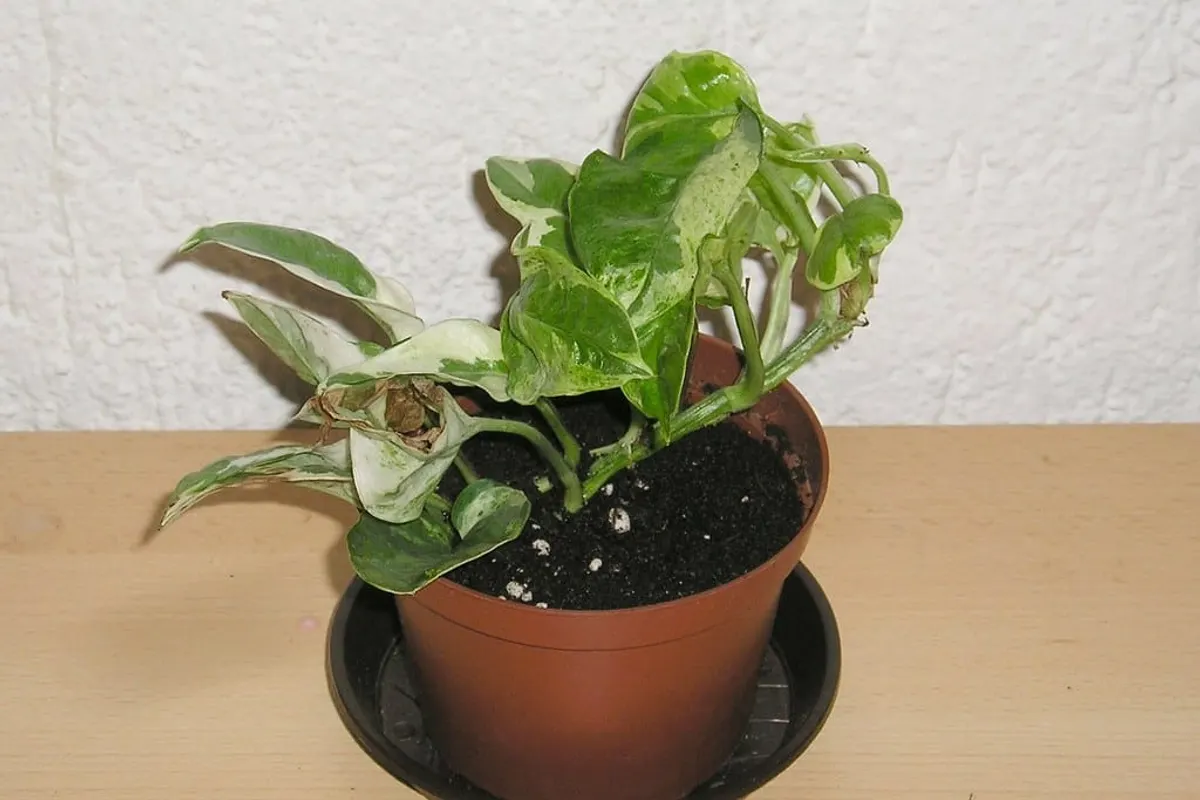
The classic "can’t kill it" vine. Grows in almost any light, tells you when it is thirsty, and roots in a glass of water.
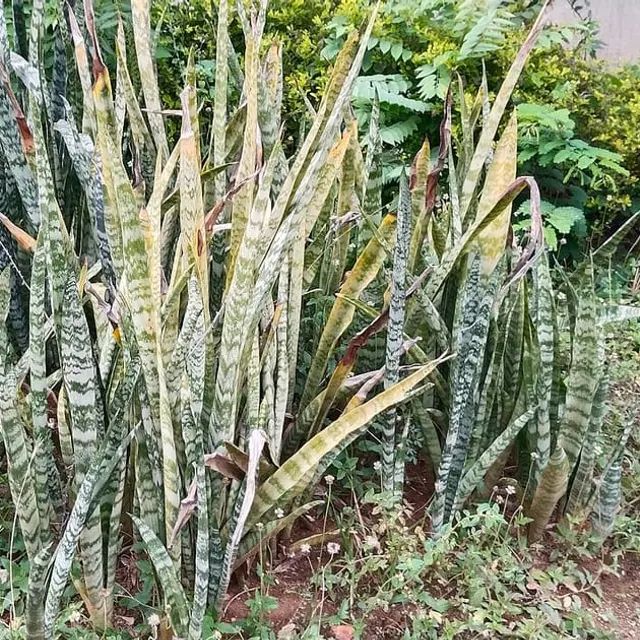
Thrives on neglect. The number-one way to kill it is love — meaning too much water.
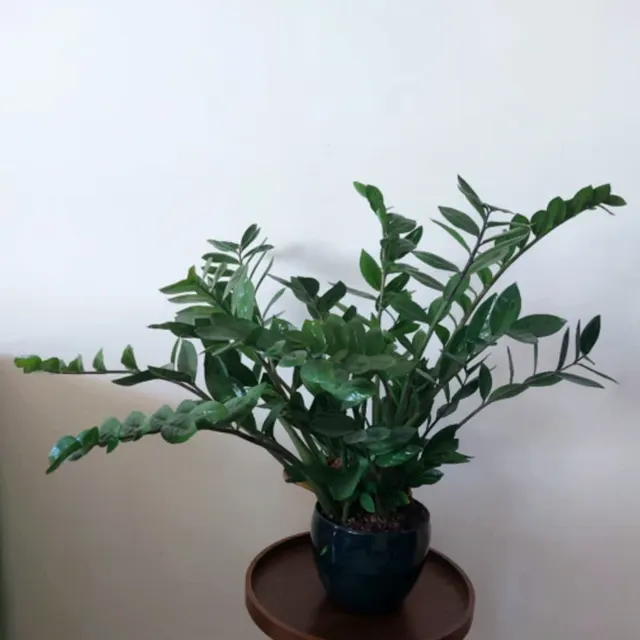
Glossy, almost plastic-looking leaves that tolerate dark offices, dry air and forgetful owners.